The Quick Answer
Most adults are comfortable on a mattress 10 to 12 inches thick. That range gives enough room for a supportive core and a comfort layer without making the bed awkwardly tall. Heavier sleepers often benefit from 12 inches or more, while children, bunk beds and guest rooms can use thinner mattresses.
Thickness alone doesn't make a mattress better. What matters is how the inches are used: a well-built 11-inch latex hybrid can outperform a 14-inch bed padded with low-quality foam.
Mattress Thickness Categories

Table: Common Mattress Height Ranges | Height | Category | Best For | |---|---|---| | Under 6" | Low profile | Daybeds, trundles, occasional use | | 6–8" | Slim | Kids, bunk beds, lightweight adults, guest rooms | | 9–12" | Standard | Most adults and couples | | 12–14" | Thick | Heavier sleepers, side sleepers wanting more cushion | | 14"+ | Extra thick | Luxury designs, very plush feels |
Most latex hybrids sit in the standard to thick range, usually 10 to 13 inches. All-latex beds often run 9 to 12 inches.
What Determines Mattress Height
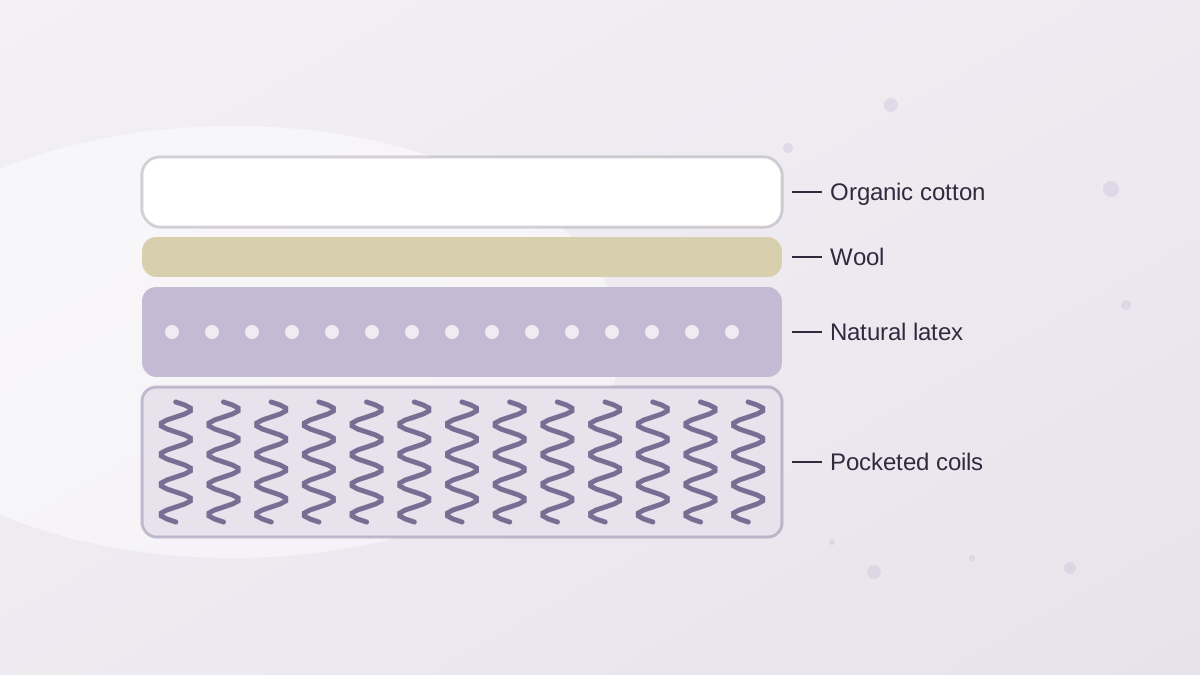
A mattress's height is the sum of its layers:
- Support core: coils in a hybrid, usually 6 to 8 inches, or a dense latex base in an all-latex bed
- Comfort layers: usually 2 to 4 inches of latex or foam
- Cover and quilting: often 1 inch or so, more with a pillow top
As a rough guide, the support core usually makes up at least half of the height. If a tall mattress has a relatively thin core and lots of soft padding, it may feel plush at first but offer less durable support.
Height by Sleep Position
Side sleepers need enough comfort material to cushion the shoulder and hip. A mattress around 10 to 12 inches with at least 3 inches of comfort layers usually works well.
Back sleepers need even support under the lower back. Around 10 to 12 inches suits most.
Stomach sleepers need to avoid hip sag. A firmer mattress around 10 inches often works, since extra plush height can let the midsection sink.
Combination sleepers do well in the 10- to 12-inch range with responsive materials like latex.
Height by Body Weight
Table: Suggested Height by Body Weight | Body Weight | Suggested Height | Why | |---|---|---| | Under 130 lb | 8–10" | Lighter bodies don't compress deep layers | | 130–230 lb | 10–12" | Balanced support and comfort | | Over 230 lb | 12"+ | More material before reaching the base |
Heavier sleepers press deeper into every layer, so they benefit from a taller support core and thicker comfort layers. Our heavy sleepers guide covers what else to look for.
Couples and Mattress Height
Two people put more weight on a mattress, and couples often have different sleep positions. A height of at least 10 inches is a good baseline for couples, with 11 to 13 inches common in latex hybrids. Thicker mattresses with sturdy coils also tend to have better edge support, which matters when two people share the surface.
Total Bed Height: Getting In and Out Easily
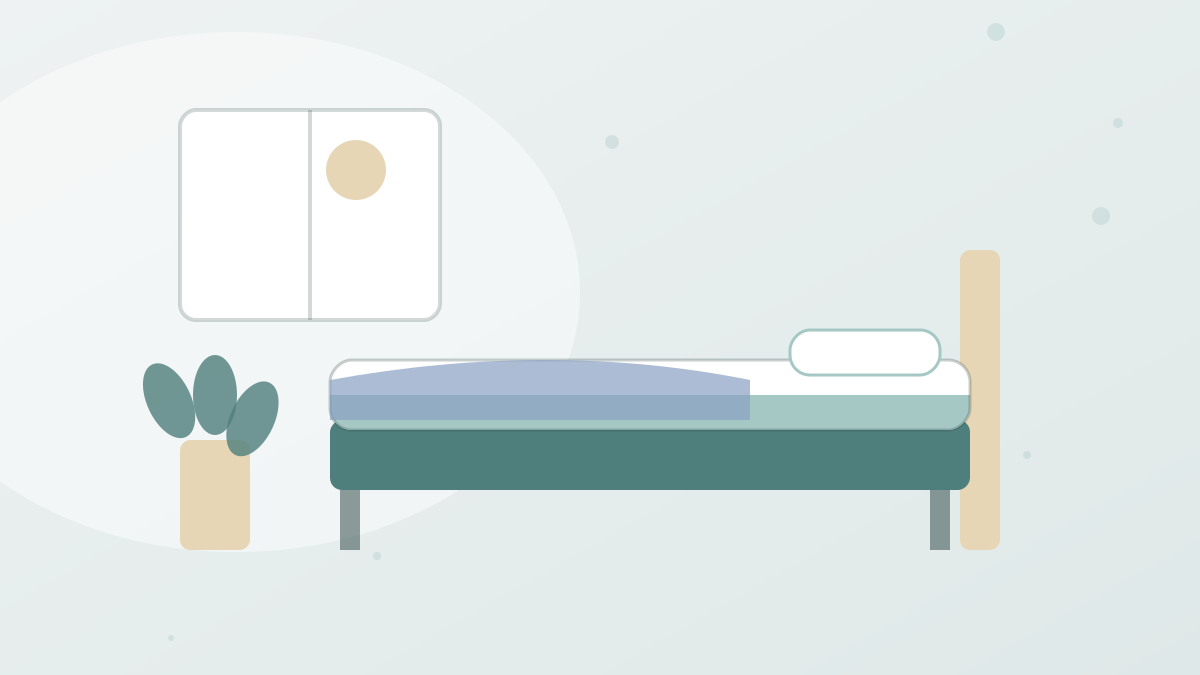
Mattress height is only part of the picture. What you feel when you sit on the bed is the combined height of the frame, foundation and mattress.
Many guides suggest the top of the mattress should sit roughly at knee height when you're standing, so your feet rest flat on the floor when you sit on the edge. For many adults, that's around 20 to 25 inches from the floor. Very tall beds can be hard to get into, especially for shorter people, older adults or anyone with joint pain. Very low beds can be hard to get out of.
If you're switching to a taller mattress, consider a lower-profile frame or foundation to keep the total height comfortable.
Height and Your Sheets
Taller mattresses need deeper fitted sheets. Check the "pocket depth" on sheet packaging:
- Standard pockets: usually fit mattresses up to about 12 inches
- Deep pockets: usually fit about 13 to 15 inches
- Extra-deep pockets: for 16 inches and up
Add the height of any topper and protector. An 11-inch mattress with a 2-inch topper may need deep-pocket sheets.
Height and Your Bed Frame
Some frames are designed for thinner mattresses and can make a tall mattress look oversized or hide a low one. Platform beds with recessed decks can also change how a mattress sits.
For latex hybrids, the bigger concern is support rather than looks. Latex is heavy and needs firm, even support. Eco Terra's warranty requires a rigid foundation with center support, and at least five hardwood 1x4 slats without metal center support. Our foundation guide explains the options.
Height and Adjustable Bases
Adjustable bases often work best with mattresses in a moderate height range. Very thick mattresses can be harder to bend and may exceed a base's recommended range. Check your base manual before buying. Eco Terra says its 11-inch hybrid works with standard adjustable beds. Our adjustable bed guide covers more.
Thick vs Thin: Pros and Cons
Table: Thick vs Thin Mattresses | Factor | Thicker (12"+) | Thinner (8–10") | |---|---|---| | Cushioning | More | Less | | Support for heavier sleepers | Better | Can bottom out | | Weight | Heavier | Lighter | | Sheets | May need deep pockets | Standard sheets fit | | Bunk beds | Often too tall | Usually fit | | Price | Often higher | Often lower |
Where Latex Mattresses Fit
Latex mattresses tend to sit in a practical height range. Latex is dense and supportive, so it doesn't need extra inches of filler to feel substantial.
- Eco Terra Hybrid Latex: 11 inches, with 3 inches of latex over coils
- Avocado Green: about 11.5 inches in its Firm version
- Saatva Latex Hybrid: 12 inches
- Saatva Zenhaven: 10 inches, all-latex
- Sleep On Latex Pure Green: 9 inches, with a 7-inch option
- PlushBeds Botanical Bliss: 9, 10 or 12 inches
If you need a low profile for a bunk bed or a child's room, a thinner all-latex bed may fit better than a hybrid. If you want more cushioning for side sleeping or a heavier body, look toward 11 to 13 inches.
Want an 11-inch organic latex hybrid that fits standard sheets? Check today's Eco Terra price on the official site.
Height and Toppers
Adding a topper raises your bed by its thickness, usually 2 to 3 inches for latex. That can push an 11-inch mattress into deep-pocket sheet territory and raise your total bed height. If you plan to add a topper, factor it in when choosing your mattress, frame and sheets.
Mattress Height FAQ
How thick should a mattress be?
Most adults are comfortable on 10 to 12 inches. Heavier sleepers often prefer 12 or more, and children can use 6 to 8.
Is a thicker mattress better?
Not necessarily. Material quality and layer design matter more than total height.
How tall is the Eco Terra mattress?
11 inches in every size, with a 3-inch organic latex layer over fabric-encased coils.
What sheets fit an 11-inch mattress?
Standard fitted sheets usually fit. Add a topper and you may need deep pockets.
How high should a bed be from the floor?
Many guides suggest roughly knee height when standing, often around 20 to 25 inches including the frame.