Where to Start
New to latex? Start with what a latex mattress is, then read the pros and cons. Those two guides give you the foundation for everything else on this page.
If you already know you want latex, skip ahead to the sections on latex types, certifications or common concerns.
Latex Basics
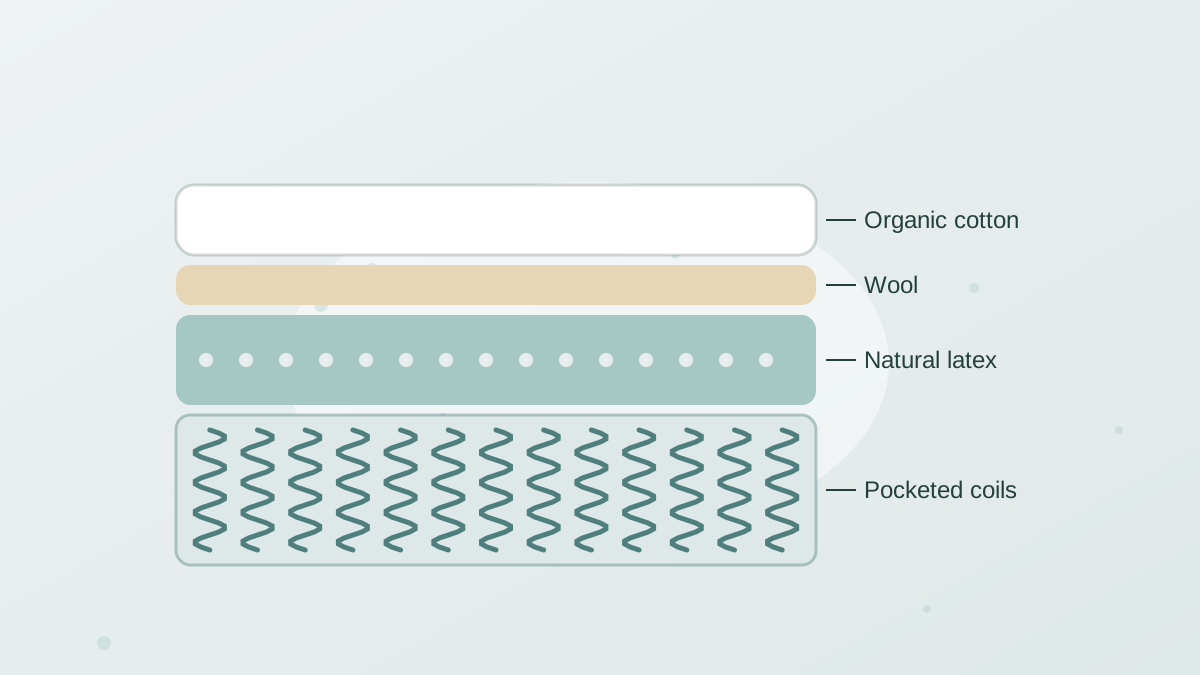
Latex at a Glance
Table: Quick Facts About Latex Mattresses | Question | Short Answer | |---|---| | What is it? | Foam made from rubber tree sap, synthetic rubber or a blend | | How does it feel? | Buoyant and responsive, with less sinking than memory foam | | Does it sleep hot? | Usually cooler than memory foam, thanks to an open-cell structure | | How long does it last? | Often longer than most foam mattresses | | Main downsides | Higher price, heavy weight, and allergy concerns for some people |
Types of Latex and How It's Made
Not all latex is the same. The process, the source and the blend all change how a mattress feels and how long it lasts.
Materials Beyond Latex
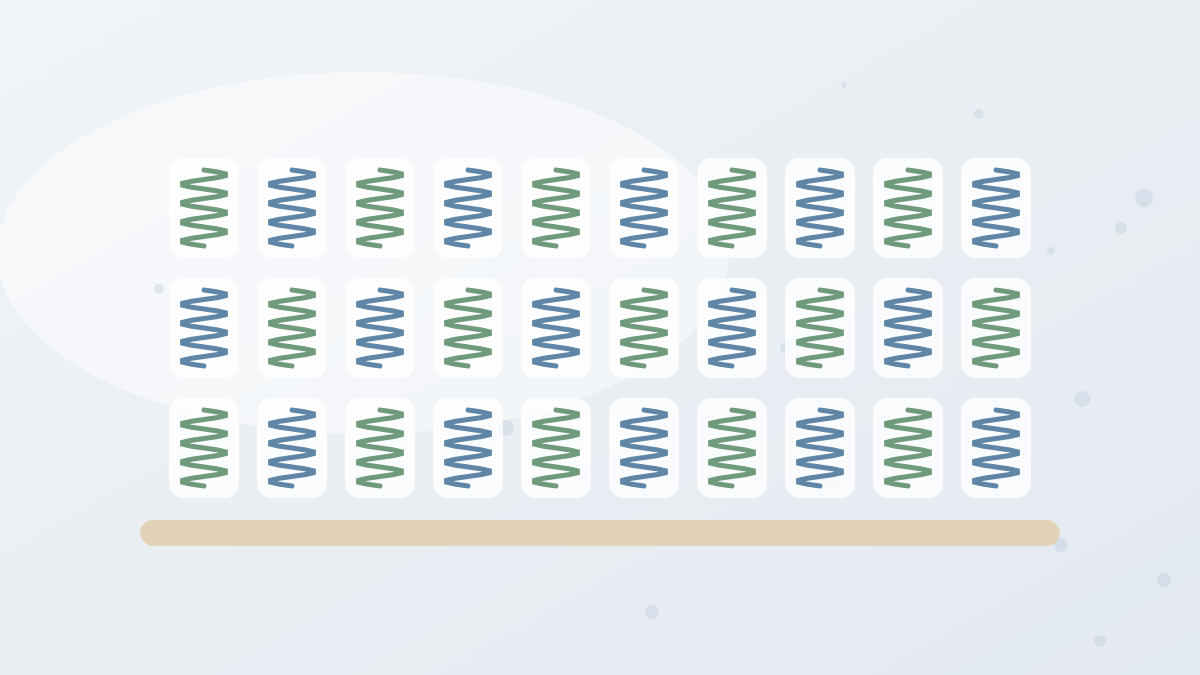
Certifications and Non-Toxic Claims
Certifications are one of the few ways to check a "natural" or "organic" claim. These guides explain what each label covers and what it doesn't.
Common Concerns
Putting It Into Practice
Once the materials make sense, our buying guide helps you choose firmness and size, and our best picks apply it to real mattresses. If you're weighing our top value pick, the Eco Terra materials guide shows how these pieces come together in one bed.
Want certified organic latex over coils? Check today's Eco Terra price on the official site.