The Quick Answer
The best mattress protector for a latex mattress is usually a breathable waterproof protector with an organic cotton top and a thin polyurethane (PU) membrane. It blocks sweat, spills and accidents while letting heat and moisture vapor escape, and it barely changes the bouncy feel of latex.
Skip vinyl and thick plastic-backed covers, which trap heat and crinkle. If you never have spills and want maximum breathability, a non-waterproof organic cotton pad is an option, but it won't stop liquid from reaching the mattress.
Why a Latex Mattress Needs a Protector

Natural latex is durable, but moisture is one of its weak points. Sweat, spills and accidents can soak into the wool and cotton layers and work down toward the latex. Once that happens, cleaning is slow and may not fully fix stains or odors.
There's also a money reason. Most mattress warranties, including Eco Terra's, exclude stains and soiling. Eco Terra recommends using a protector at all times, and its trial refuses soiled returns. A $149 protector is cheap insurance on a mattress that costs over $1,000.
A protector also helps with:
- Dust mites and allergens, by adding a barrier between you and the mattress
- Body oils, which can discolor covers over time
- Easy cleaning, since you wash the protector instead of the mattress
- Pets and kids, who make accidents far more likely
Types of Mattress Protectors
Table: Protector Types for Latex Mattresses | Type | Waterproof | Breathability | Feel Change | Best For | |---|---|---|---|---| | Organic cotton + thin PU membrane | Yes | Good | Minimal | Most latex owners | | Organic cotton pad (no membrane) | No | Excellent | Minimal | Spill-free sleepers who prioritize airflow | | Wool moisture pad | Water-resistant | Excellent | Slight added softness | Hot sleepers who want natural fibers | | Zippered encasement | Usually | Fair | Minimal to slight | Allergies, bed bugs, full coverage | | Vinyl or plastic-backed | Yes | Poor | Noticeable, crinkly | Not recommended for latex |
Breathable Waterproof Protectors
This is the most popular choice for natural mattresses. A soft cotton top layer sits over a micro-thin PU membrane that stops liquid but allows vapor through. Several natural brands use this design. Avocado, for example, describes its waterproof protector as organic cotton layers around an ultra-thin breathable PU membrane.
Organic Cotton Pads
These have no waterproof layer at all. They absorb light sweat and add a soft surface, and they're the most breathable option. Avocado says it actually prefers its cotton pad protector for that reason. The trade-off is that a big spill or accident will soak through.
Encasements
Encasements zip around the whole mattress. They're useful for allergy sufferers and for bed bug protection, but they're harder to take on and off, and some feel less breathable. Check that the depth fits an 11-inch or taller mattress.
Waterproof or Not: Which Do You Need?
This is the biggest choice you'll make, and it comes down to your household. We'd go waterproof for almost everyone, because a single accident can stain the wool and cotton layers of a natural mattress for good, and stains aren't covered by most warranties.
A waterproof protector makes the most sense if:
- You have kids or pets who share the bed, even occasionally
- You sweat heavily at night, since sweat is the most common cause of mattress staining over time
- You drink coffee, tea or water in bed
- You're inside a sleep trial, where a soiled mattress can't be returned
A non-waterproof organic cotton or wool pad can work if you live alone, never eat or drink in bed and prioritize airflow above all else. Even then, it only slows liquid down rather than stopping it. If you choose this route, wash the pad often and act quickly on any spill.
Table: Waterproof vs Non-Waterproof at a Glance | Factor | Waterproof (Thin PU) | Cotton or Wool Pad | |---|---|---| | Stops spills | Yes | No, only slows them | | Airflow | Good | Excellent | | Protects trial and warranty | Strongly | Partly | | Noise | Silent if well made | Silent | | Best for | Most households | Solo sleepers with no spills |
What to Look For
Breathability. Latex sleeps cooler than memory foam partly because of its open-cell structure. A non-breathable protector cancels some of that benefit. Look for cotton, wool or bamboo-derived tops over a thin membrane.
Fit and depth. Measure your mattress height and choose a protector with a deep enough pocket. The Eco Terra hybrid is 11 inches tall, and its own protector fits roughly 6 to 15 inches.
Minimal feel change. Latex is prized for its buoyant, responsive feel. A thin, stretchy protector keeps that intact; a thick quilted one can dull it.
Certifications. If you bought an organic mattress, you may want an organic protector too. GOTS certification covers organic textiles. Our certifications guide explains the labels.
Quiet materials. Avoid crinkly plastic. A good PU membrane is silent.
Easy care. Machine-washable protectors are the norm. Check the drying instructions, since high heat can damage some membranes.
Eco Terra Organic Mattress Protector
Table: Eco Terra Organic Mattress Protector at a Glance | Feature | Detail | |---|---| | Top layer | GOTS organic cotton jersey | | Waterproofing | Micro-thin inert PU underside | | Fit | About 6 to 15 inches deep | | Care | Machine washable | | Warranty | 5-year limited | | Price | Queen $149, King $179 (November 2026) | | Returns | Unopened only |
If you're buying an Eco Terra mattress, adding its protector keeps everything consistent with the mattress's organic cotton and wool build. Note that the protector is returnable only unopened, so decide before you put it on the bed.
Adding a protector to a new mattress? Check today's Eco Terra price on the official site.
Protector vs Topper vs Pad
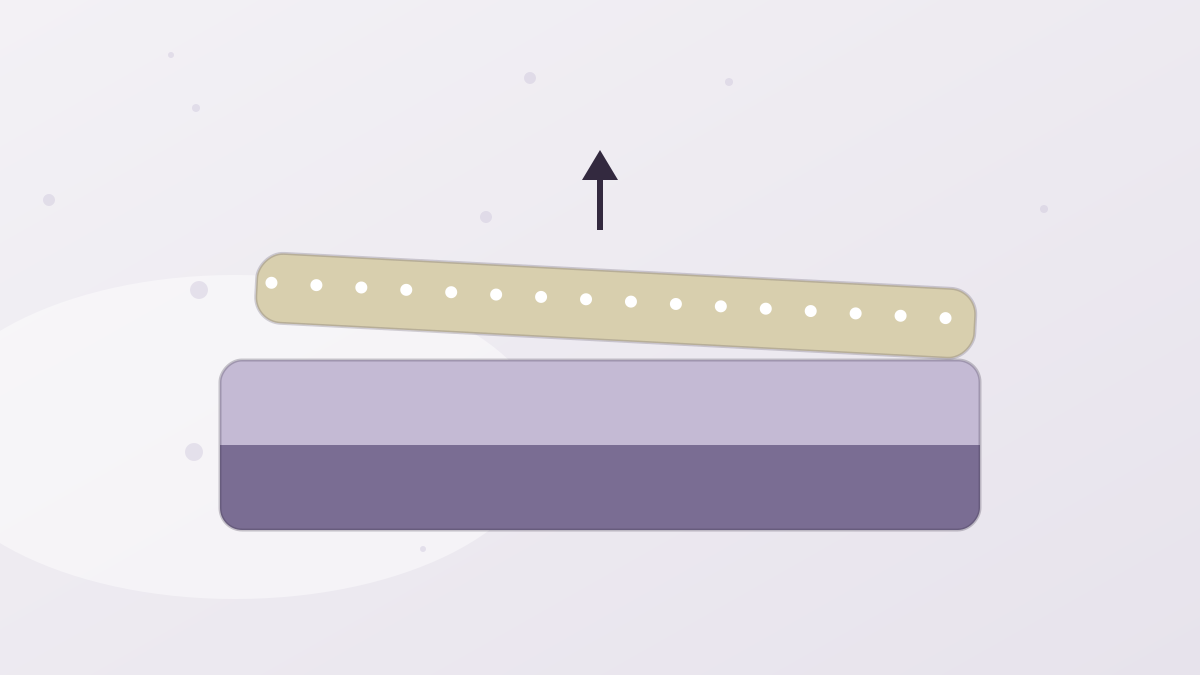
These three get confused often:
- A protector shields the mattress from liquids and allergens. It shouldn't change the feel.
- A pad adds a thin layer of cushioning and sometimes light protection.
- A topper is a thicker layer, usually 2 to 3 inches, that changes how the bed feels.
If you use a topper, the protector goes on top of the topper, or you can use a fitted topper cover plus a protector. Our Eco Terra toppers guide covers the topper side.
How to Care for Your Protector
- Wash it every two to four weeks, and right after any spill.
- Follow the care label, usually a gentle cycle in cool or warm water.
- Tumble dry low or line dry. High heat can damage waterproof membranes.
- Skip bleach and fabric softener, which can reduce absorbency and wear down the membrane.
- Keep a spare so the bed is never unprotected while one is in the wash.
A protector that's been heavily used for years may lose its waterproofing. If liquid starts getting through, replace it.
Protectors for Hot Sleepers
If you already run warm, your protector choice matters more. Latex hybrids like the Eco Terra breathe well because of open-cell latex, wool and a coil layer that lets air move through the core. A heavy, plastic-backed protector sits right on top of all that and slows heat and moisture from escaping.
To keep the cooling benefits, look for a thin cotton jersey or knit top, a membrane described as breathable, and no thick quilting. Pair it with breathable sheets in cotton, linen or a bamboo-derived fabric. Our hot sleeping guide explains how the whole bed system affects temperature.
Common Protector Mistakes
Waiting to buy one. The first night is when you need it most, especially during a sleep trial.
Choosing vinyl. It's waterproof but traps heat and moisture against the mattress.
Buying the wrong depth. A protector that's too shallow pulls off corners or compresses the edges.
Drying on high heat. This can crack or delaminate the membrane over time.
Mattress Protector for Latex FAQ
Do you need a mattress protector on a latex mattress?
It's strongly recommended. It keeps moisture and stains out, and most warranties, including Eco Terra's, exclude stains and soiling.
Will a protector make a latex mattress sleep hot?
A breathable cotton protector with a thin PU membrane has little effect. Vinyl or plastic-backed covers can trap heat.
Does a protector change how latex feels?
A thin, stretchy protector barely changes the feel. Thick quilted pads can dull the bounce a little.
What size protector fits the Eco Terra mattress?
Choose your mattress size with a pocket that fits at least 11 inches. Eco Terra's own protector fits about 6 to 15 inches.
Can you return the Eco Terra protector?
Eco Terra lists its protector as returnable only if unopened.