The Quick Answer
Clean a latex mattress gently. For routine care, vacuum the surface, spot-clean small marks with a barely damp cloth and mild soap, and let it air-dry fully. For odors, sprinkle baking soda, leave it for several hours, then vacuum it off. For stains, act quickly, blot rather than rub, and use as little liquid as possible.
What to avoid matters just as much: don't soak the mattress, don't use steam cleaners or harsh solvents, don't dry it in direct sunlight, and don't remove the cover to get at the inner layers. The best cleaning strategy is prevention: a breathable protector from day one.
Why Latex Needs Gentle Cleaning

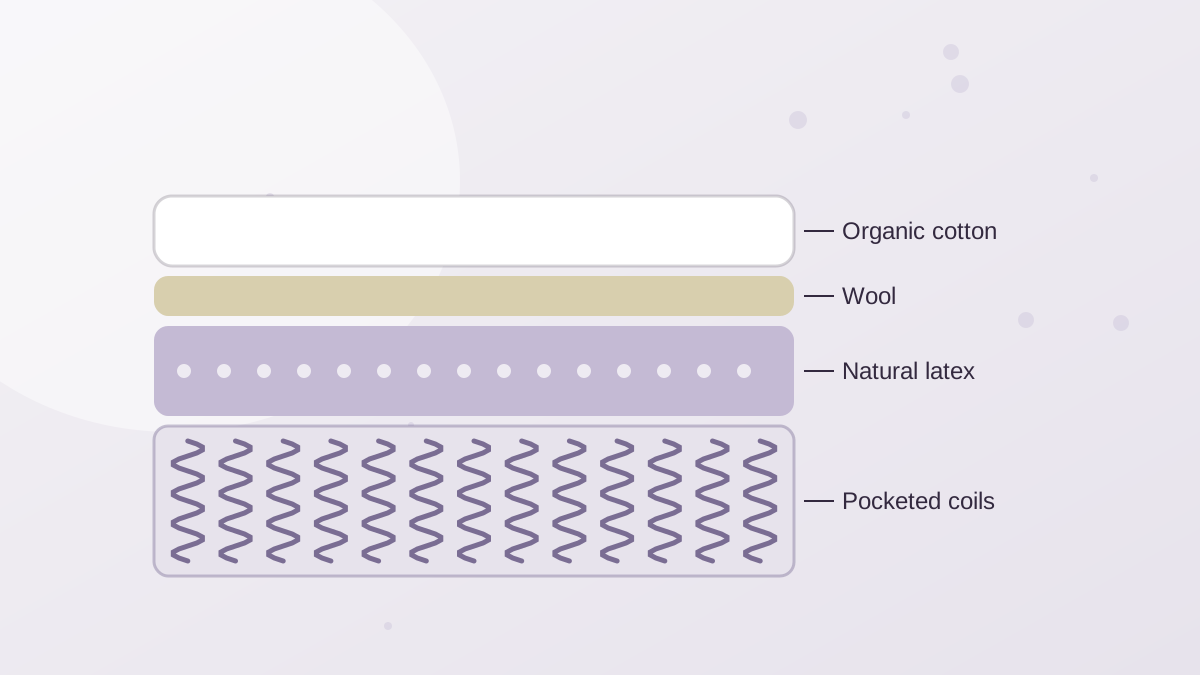
A natural latex mattress is usually built from latex, wool and cotton, sometimes over coils. Each of these materials responds badly to rough treatment:
- Latex can degrade with heat, sunlight and harsh solvents.
- Wool absorbs moisture and can felt, shrink or develop odors if soaked.
- Cotton covers can stain and hold moisture.
- Coils in hybrids can rust if moisture gets deep inside.
Natural latex is naturally resistant to dust mites and mold, but trapped moisture can still cause problems. That's why the golden rule is: as little liquid as possible, and dry thoroughly.
Routine Cleaning: Every Few Months
A light routine keeps a latex mattress fresh between deeper cleans:
- Strip the bed and wash your sheets and protector.
- Vacuum the mattress surface with an upholstery attachment, including seams and edges.
- Check for spots and treat them using the methods below.
- Deodorize with a light sprinkle of baking soda if needed, leave it for a few hours, then vacuum.
- Air it out by leaving the bed unmade for a few hours with a window open.
- Rotate the mattress head to foot while it's stripped. Our rotation guide explains how often.
How to Spot-Clean Safely
For most small marks:
- Blot up any liquid immediately with a clean, dry cloth.
- Mix a mild cleaning solution: a few drops of gentle dish soap in cool water.
- Dampen a cloth, wring it out well, and dab the stain from the outside in.
- Blot with a second clean cloth dampened with plain water to remove soap.
- Blot dry with a dry towel, pressing firmly.
- Air-dry fully, using a fan if needed, before covering the mattress again.
Never pour liquid directly onto the mattress, and never scrub hard, which can push moisture deeper and damage the cover.
Stain Removal by Type
Table: How to Treat Common Mattress Stains | Stain | Gentle Approach | |---|---| | Sweat and body oils | Mild dish soap and cool water; blot; air-dry | | Urine | Blot; lightly mist a 50/50 white vinegar and water mix; blot; sprinkle baking soda once dry; vacuum | | Blood | Cold water only (heat sets blood); blot; mild soap if needed | | Food or drink | Blot; mild soap and water; rinse-blot; dry | | Vomit | Remove solids; blot; light vinegar-water mist; baking soda once dry | | Unknown or old stains | Mild soap first; test any stronger cleaner on a hidden spot |
Some people use a small amount of hydrogen peroxide on stubborn organic stains, but it can lighten fabric. Test on a hidden area first, use it sparingly and rinse-blot afterward. Avoid bleach entirely.
How to Deodorize a Latex Mattress
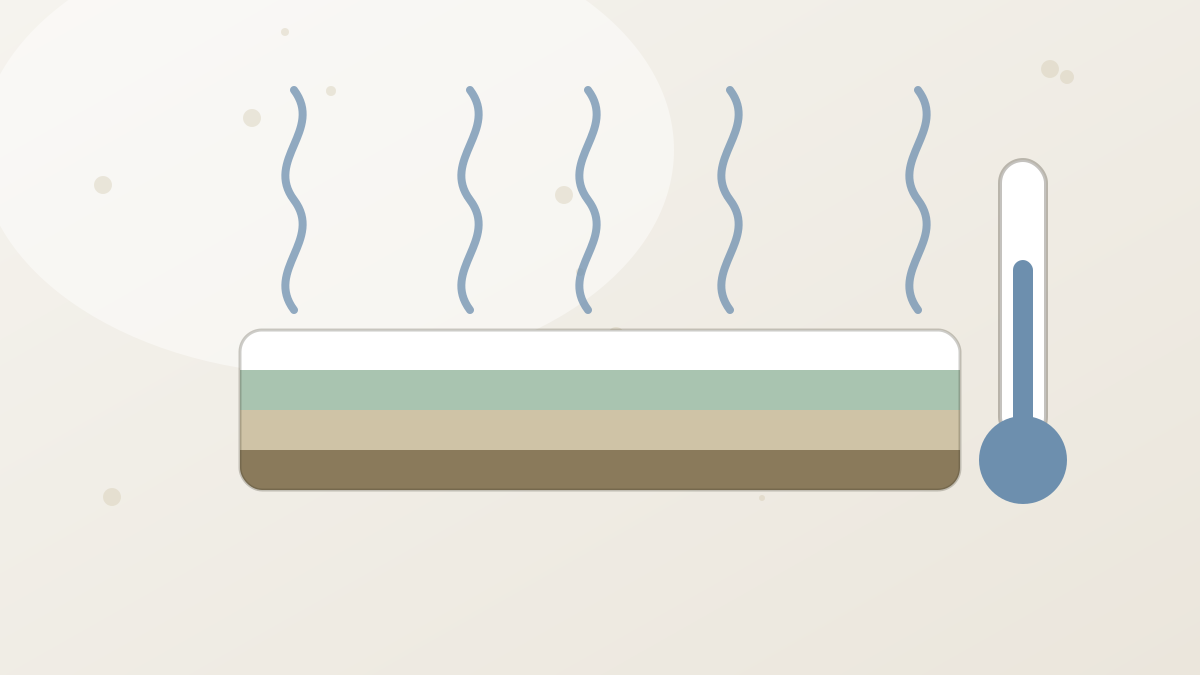
Odors usually come from sweat, spills, pets or humidity rather than the latex itself. To freshen a mattress:
- Baking soda: sprinkle a thin, even layer over the cover, leave it several hours or overnight, then vacuum thoroughly.
- Fresh air: open windows and run a fan while the mattress is uncovered.
- Stand it up against a wall for a few hours to let the underside breathe, especially if it's on a solid platform.
- Check underneath for dampness if odors persist.
Avoid fragrance sprays, which add moisture and chemicals and only mask the problem. A mild natural scent when the mattress is new is normal. Our latex smell guide explains the difference.
Drying a Latex Mattress
Drying is the most important step after any cleaning. Moisture left inside can lead to odors or mildew.
- Blot as much moisture out as possible with dry towels.
- Use a fan pointed at the damp area.
- Open windows or run a dehumidifier.
- Keep it out of direct sunlight. Many latex brands advise against sun-drying, since UV light can damage latex.
- Don't use a hair dryer on high heat or any heat source close to the mattress.
- Wait until it's completely dry before putting the protector and sheets back on.
What Never to Use on a Latex Mattress
- Steam cleaners, which add heat and moisture; some latex brands specifically advise against them
- Bleach or harsh solvents
- Dry-cleaning fluid, which Eco Terra's warranty specifically warns against
- Large amounts of water or carpet shampooers
- Direct sunlight or high heat for drying
- Fabric softener sprays or perfumes
- Removing the cover to clean the inner layers
Dealing With Mold or Mildew
If you notice gray, green or black spots, or a musty smell that won't go away, moisture has likely built up. Light surface mildew on the cover can sometimes be treated by:
- Taking the mattress to a well-ventilated area.
- Vacuuming the surface gently.
- Lightly misting a 50/50 vinegar and water solution on the area.
- Blotting and drying thoroughly with fans.
Mold that has penetrated deep into the mattress is very difficult to remove and can affect people with allergies or asthma. In that case, contact the manufacturer and consider replacing the mattress. Prevent recurrence by using a slatted base and keeping humidity in check. Our floor guide explains why airflow matters.
Cleaning Toppers and Protectors
Latex toppers need the same gentle care as mattresses: spot-clean, air-dry and keep out of direct sun. Use a fitted cover on the topper. Eco Terra sells a GOTS organic cotton topper cover for $129 in a queen.
Mattress protectors are designed to be washed. Follow the care label, usually a gentle machine wash and low-heat or line dry. Wash the protector every few weeks, and immediately after any spill.
Cleaning a Latex Hybrid vs an All-Latex Mattress
The surface routine is the same for both, but a hybrid like the Eco Terra adds one more reason to keep liquid out: there's a pocketed coil unit under the latex. Moisture that works its way past the wool and latex can sit around the coil fabric, where it dries slowly and can start to smell. That's why "barely damp" matters even more on a hybrid.
An all-latex mattress has no metal to worry about, but its thicker latex core holds moisture longer once it gets in. Either way, the fix is the same: small amounts of cleaner, lots of blotting and plenty of drying time with good airflow.
Table: Cleaning Differences by Mattress Build | Build | Main Risk | What to Do | |---|---|---| | Latex hybrid (latex over coils) | Moisture reaching the coil layer | Use minimal liquid; dry with a fan for several hours | | All-latex | Moisture lingering in a thick latex core | Blot thoroughly; stand the mattress on edge to dry if a spill was large | | Latex topper | Easier to soak by accident | Spot-clean only; never submerge or machine-wash |
Handling Pet Accidents

Pet urine is the most common "big" stain, and speed makes all the difference. Blot up as much as you can right away by pressing dry towels firmly into the spot, swapping them as they get wet. Then use the vinegar and water mist from the stain table, blot again and let it dry before treating any lingering smell with baking soda.
Enzyme cleaners made for pet stains can help with odor, but check the label, use a small amount and test a hidden spot first. If your pet sleeps on the bed regularly, a waterproof protector isn't optional: it's what keeps a ten-second accident from becoming a permanent stain.
How Often Should You Clean a Latex Mattress?
Table: Suggested Cleaning Schedule | Task | How Often | |---|---| | Wash sheets | Weekly | | Wash protector | Every 2–4 weeks | | Vacuum mattress | Every 1–3 months | | Deodorize with baking soda | Every few months, or as needed | | Rotate mattress | Every 3–6 months | | Spot-clean | As soon as a spill happens |
When Cleaning Won't Fix the Problem
Cleaning handles stains, odors and light surface mildew. It can't fix a mattress that has deep mold, a strong smell that returns after every airing, or permanent body impressions and sagging. Those are signs of moisture damage or wear inside the layers.
If your mattress is older and the problems keep coming back, it may be time to look at replacing it. Our replacement guide covers the signs, and our sagging guide explains what's normal and what may be a warranty issue.
Prevention: The Best Cleaning Method
The easiest stain to remove is one that never reaches the mattress. A breathable, waterproof organic cotton protector blocks sweat, spills and accidents while letting the mattress breathe. Eco Terra's organic protector costs $149 for a queen in November 2026.
Other habits that help:
- Avoid eating and drinking in bed.
- Keep pets on their own bedding, or use an extra layer if they share the bed.
- Shower before bed to reduce body oils.
- Keep humidity reasonable in the bedroom.
Our mattress protector guide compares options.
Shopping for a new mattress and protector? Check today's Eco Terra price on the official site.
How to Clean a Latex Mattress FAQ
Can you wash a latex mattress?
No. Never soak or machine-wash a latex mattress. Spot-clean with a barely damp cloth and mild soap, then dry thoroughly.
How do you get urine out of a latex mattress?
Blot immediately, lightly mist with a 50/50 vinegar and water mix, blot again, let it dry, then use baking soda and vacuum.
Can you use a steam cleaner on a latex mattress?
It's best not to. Heat and moisture can damage latex and wool, and some latex brands advise against steam cleaning.
Can you put a latex mattress in the sun to dry?
Avoid it. Direct sunlight can degrade latex. Dry it indoors with fans and good ventilation.
Does cleaning affect the Eco Terra warranty?
Eco Terra warns against liquid cleaners and dry-cleaning fluid on the cover, and excludes stains. Use gentle methods and a protector.