The Short Answer
A latex hybrid puts a layer of latex over a core of pocketed steel coils. An all-latex mattress uses latex from top to bottom, with no coils at all.
Hybrids are bouncier, breathe better, have firmer edges, weigh less and usually cost less. All-latex beds absorb more motion, feel more uniform, often last longer and can sometimes be rearranged or flipped.
How Each Design Is Built
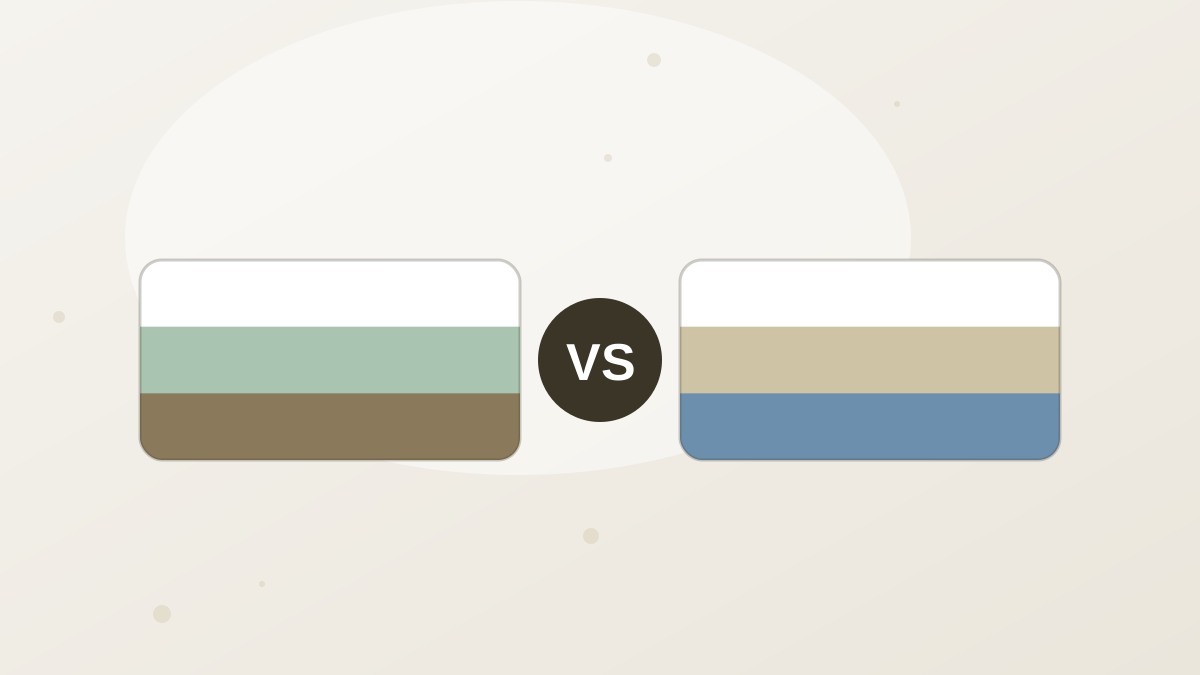
Latex hybrids usually have a cover, often with wool, then 2 to 4 inches of latex, then a pocketed coil unit of 6 to 8 inches. The coils provide most of the support, and the latex provides comfort and pressure relief. The Eco Terra Hybrid Latex, for example, uses 3 inches of organic latex over fabric-encased coils.
All-latex mattresses stack several layers of latex, typically a firmer support core with softer comfort layers on top. Some come in zippered covers so you can rearrange or swap layers, and some are flippable with a different feel on each side.
How They Feel
Table: Feel Comparison | Trait | Latex Hybrid | All-Latex | |---|---|---| | Bounce | High, latex plus coils | Moderate, latex only | | Feel | Lively, lifted | Uniform, grounded, "floating" | | Ease of moving | Very easy | Easy | | Surface consistency | Coils may be felt slightly at edges | Very even |
Both feel distinctly "latex": buoyant and responsive rather than sink-in. The hybrid adds spring from the coils, while all-latex feels more even and slightly denser.
Cooling
Hybrids usually sleep cooler. Coils leave open space for air to move through the mattress, and the latex layer is thin enough that heat doesn't build up.
All-latex beds still sleep cooler than memory foam, especially when the latex is perforated and paired with wool and cotton. But a solid latex core is denser than a coil unit, so there's less airflow. If you sleep very hot, a hybrid is the safer choice. Our guide on whether latex sleeps hot explains the details.
Motion Isolation
All-latex wins. Without coils, there's less spring to carry movement across the bed, so a partner's tossing and turning is less noticeable.
Hybrids transfer more motion, especially those with thin latex layers. Individually wrapped coils help compared with old-style innersprings, but they don't match solid latex. Couples who are light sleepers often prefer all-latex for this reason.
Edge Support
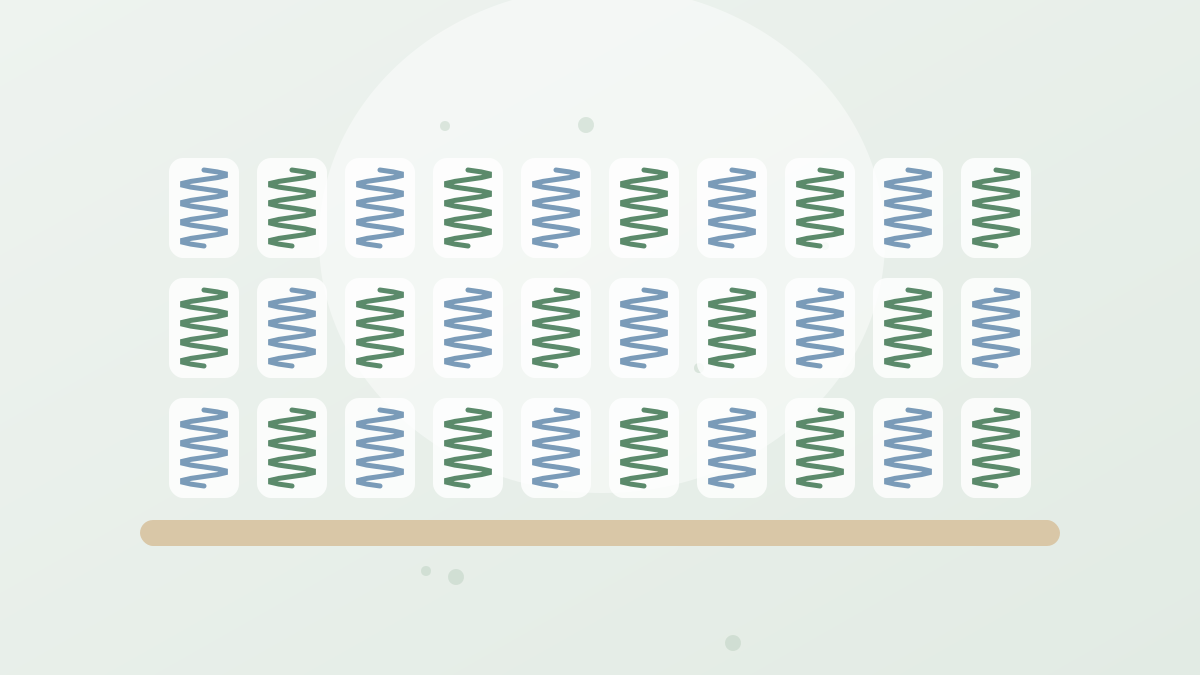
Hybrids win here. Many use thicker or reinforced coils around the perimeter, so the edge stays firm when you sit on it or sleep near it.
All-latex mattresses tend to compress more at the edge, because there's no rigid perimeter. That matters if you sit on the side of the bed every morning, or if you share a smaller bed and sleep near the edge.
Weight and Moving
All-latex mattresses are heavy because latex is dense. A queen all-latex bed can weigh well over 100 pounds. Hybrids are lighter, because coils are mostly open space, although a latex hybrid is still heavier than a foam hybrid.
The Eco Terra queen, a latex hybrid, weighs 100 lb. A thick all-latex queen often weighs more. Either way, plan for two people on delivery day. Our moving guide has tips.
Durability and Lifespan
All-latex mattresses are among the longest-lasting beds you can buy, because every layer is durable latex. Some can be rearranged or flipped to spread wear even further.
Latex hybrids last a long time too, often longer than foam hybrids, but coils can eventually weaken or creak. Quality matters more than type: a well-built hybrid on a solid foundation can easily outlast a poorly made all-latex bed. Our lifespan guide covers what affects it.
Price
All-latex mattresses usually cost more because they use much more latex, one of the most expensive mattress materials. A latex hybrid replaces most of that latex with steel coils, which costs less.
Table: Typical Queen Price Ranges | Design | Typical Queen Price | |---|---| | Value latex hybrid | Around $1,000 to $1,500 | | Premium latex hybrid | $1,500 to $2,800 | | Value all-latex | Around $800 to $1,500 | | Premium all-latex | $2,000 to $3,500+ |
There's overlap. Some simple all-latex beds cost about as much as value hybrids. In November 2026, the Eco Terra Hybrid Latex queen was $1,014, while premium all-latex beds like the PlushBeds Botanical Bliss started around $2,024.
Adjustability and Customization
All-latex mattresses often have a hidden advantage: you can change them. Many come in zippered covers with separate latex layers, so you can swap a soft layer for a firm one, rotate layers to spread wear or even set each side to a different firmness in larger sizes. Some all-latex beds are flippable, with a different feel on each side.
Most latex hybrids are sealed. You choose a firmness at checkout, and if you want to change the feel later, you add a topper. That's simpler and usually cheaper, but less flexible.
What does that mean for you? If you're unsure about firmness, or your needs may change, a customizable all-latex bed can adapt with you. If you know what you like, a sealed hybrid is easier to own.
Using an Adjustable Base
Both designs work on adjustable bases, but in slightly different ways. Latex is flexible, so all-latex mattresses bend easily. Hybrids with individually wrapped coils also flex well, because each coil moves independently.
Eco Terra says its Hybrid Latex works with standard adjustable beds. With any latex mattress, check that the base's retainer bar keeps the heavy mattress from sliding when the head is raised. Our best latex mattress for adjustable beds guide covers compatibility.
Which Design Suits Which Sleeper?

Hot Sleepers
Latex hybrid. Coils move more air.
Light Sleepers With Restless Partners
All-latex. Less motion transfer.
People Who Sit on the Bed Edge
Latex hybrid. Firmer, reinforced edges.
Combination Sleepers
Latex hybrid. Extra bounce makes turning easy.
Shoppers Wanting Pure Latex
All-latex. No steel, just latex, wool and cotton.
Budget Shoppers
Usually a latex hybrid, though simple all-latex beds can be competitive.
A Middle Path: Hybrid Plus Topper
If you like a hybrid's bounce and airflow but want a deeper latex feel on top, add a latex topper. A 2-inch soft latex topper on a latex hybrid gives you more cushioning while keeping coil support and edge strength underneath.
Eco Terra sells a natural latex topper in Soft, Medium and Medium-Firm, starting at $274 for a 2-inch queen in November 2026. Our topper vs new mattress guide explains when that's worth it.
Our Recommendation
For most readers, we'd start with a latex hybrid. It sleeps cooler, supports the edges better, weighs less and usually costs less. The Eco Terra Hybrid Latex is our value pick, with certified organic latex over coils at a mid-range price.
If you're a light sleeper sharing a bed, or you specifically want an all-latex construction, look at our best all-latex mattress guide instead.
Ready to try a latex hybrid? Check today's Eco Terra price on the official site.
Latex Hybrid vs All-Latex FAQ
Is a latex hybrid or all-latex mattress better?
Neither is better for everyone. Hybrids sleep cooler, bounce more and cost less. All-latex beds isolate motion better and often last longer.
Which lasts longer?
All-latex mattresses usually have the longest lifespan, since every layer is latex. Quality construction matters more than design type.
Which is better for couples?
All-latex, if motion transfer bothers you. Hybrids transfer more movement because of their coils.
Do latex hybrids have foam?
Some do, some don't. The Eco Terra uses no polyurethane foam, while some other latex hybrids add foam layers. Check the law label or materials list.
Which is heavier?
All-latex mattresses are usually heavier, because latex is denser than a coil unit.
Choose by What Matters Most
Pick a latex hybrid for cooling, bounce, edge support and value. Pick all-latex for motion isolation, longevity and a pure latex build. Both give you natural latex's lifted, responsive feel.
Going hybrid? See the current Eco Terra Hybrid Latex price on the official site.