The Short Answer
A wool fire barrier is a layer of wool placed under a mattress cover to help the mattress pass federal flammability rules. Wool naturally resists flame: it's hard to ignite, it tends to char rather than melt or drip, and it often self-extinguishes once the flame is removed. A thick enough wool layer slows a fire from reaching the flammable materials inside.
Natural and organic mattresses use wool so they can meet flammability standards without chemical flame retardants or fiberglass barriers. Wool also wicks moisture and helps regulate temperature, which is a comfort bonus.
Why Mattresses Need a Fire Barrier
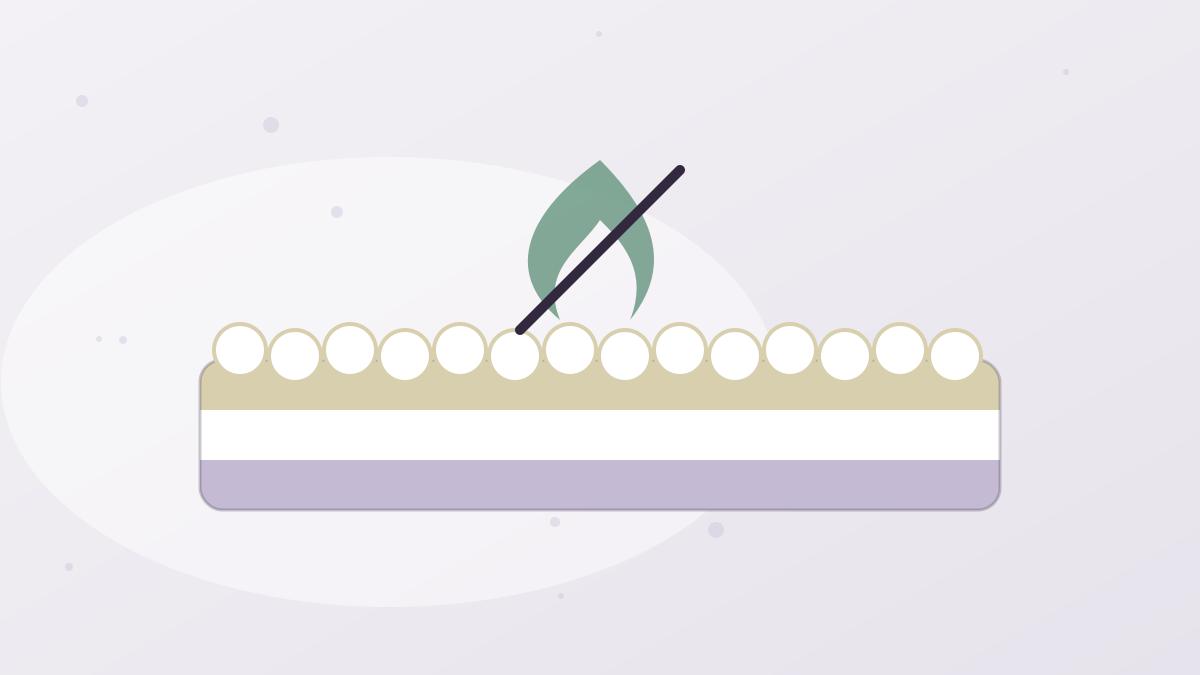
Since 2007, every mattress sold in the US must pass a federal open-flame test, 16 CFR 1633. In the test, a mattress is exposed to a large gas flame, and it fails if it releases too much heat too quickly or burns too intensely within a set period. The goal is to give people more time to escape a bedroom fire.
Foam, latex and other mattress materials can burn, so manufacturers add a barrier that slows flames from reaching them. That barrier can be made from:
- Natural wool
- Plant-based or treated fibers such as rayon, sometimes with silica
- Fiberglass blends
- Chemical flame-retardant treatments
Each approach can pass the test. The differences are in what materials you sleep on and how the barrier behaves if the cover is damaged.
How Wool Resists Fire
Wool's flame resistance comes from its natural structure and chemistry:
- High ignition temperature. Wool needs much more heat to catch fire than many other fibers.
- Natural moisture content. Wool fibers hold water within their structure, which absorbs heat.
- Protein structure. Wool is made largely of keratin, a protein rich in nitrogen, which helps it resist burning.
- Charring. When exposed to flame, wool tends to form a char layer instead of melting, which helps shield what's underneath.
- Self-extinguishing. Once the flame is removed, wool often stops burning on its own.
To pass a federal test, the wool layer needs to be thick and dense enough for the specific mattress design. Some brands combine wool with other natural materials. Brentwood Home, for example, describes using hydrated silica along with GOTS organic wool.
Wool vs Other Fire Barriers
Table: Common Mattress Fire Barriers Compared | Barrier | Natural? | Concerns Shoppers Raise | Typical Cost | Comfort Effect | |---|---|---|---|---| | Wool | Yes | Wool sensitivity; animal product | Higher | Moisture-wicking, temperature buffering | | Treated rayon or plant fiber | Partly | Treatments vary; ask for details | Moderate | Neutral | | Fiberglass blend | No | Fibers can escape if cover is removed or damaged | Lower | Neutral | | Chemical flame retardants | No | Added chemicals in the mattress | Lower | Neutral |
Wool costs more than the alternatives, which is one reason it's more common in natural and premium mattresses. Our fiberglass-free mattress guide explains how to check what barrier a mattress uses.
Comfort Benefits of Wool
Wool isn't only about fire safety. It also changes how a mattress feels to sleep on.
Moisture wicking. Wool absorbs moisture vapor from your body and releases it into the air, which helps the surface feel drier on warm or humid nights.
Temperature buffering. Wool helps keep you comfortable across a range of temperatures. Many hot sleepers are surprised to find a wool-covered mattress feels cooler, not warmer.
Soft surface feel. A layer of wool under the cover adds a gentle cushion at the very top of the mattress.
Durability. Wool is resilient and springs back after compression.
These benefits make wool a natural partner for latex, which is itself breathable. Our do latex mattresses sleep hot guide explains how these materials work together.
Organic and Certified Wool

Not all wool is equal. Certifications help you understand how it was produced:
- GOTS (Global Organic Textile Standard) certifies organic wool, covering how the sheep were raised and how the wool was processed.
- OEKO-TEX Standard 100 tests wool for harmful substances.
- Responsible Wool Standard focuses on animal welfare and land management.
Eco Terra uses GOTS-certified organic wool and lists OEKO-TEX Standard 100 certification for it. Many natural latex mattresses use New Zealand wool, which is widely available and known for its quality.
Who Should Be Careful With Wool
Wool suits most people, but a few should think twice:
- People with wool allergies or sensitivities. True wool allergy is uncommon, but some people react to lanolin or find wool irritating. In a mattress, the wool is under a cover, so direct contact is limited. If you have a known sensitivity, ask your doctor.
- Vegans. Wool is an animal product. Some natural mattress brands offer vegan models that use plant-based fire barriers instead.
- People who want to wash the mattress cover. Wool and many natural barriers shouldn't get soaked. Use a washable protector instead.
Caring for a Wool-Layered Mattress
Wool is low-maintenance, but moisture is its main enemy in a mattress:
- Use a breathable protector to keep spills and sweat out.
- Avoid soaking the mattress or using liquid cleaners. Eco Terra's care guidance warns against liquid cleaners and dry-cleaning fluid on the cover.
- Spot-clean gently with a damp cloth and mild soap, then let it air-dry fully.
- Ventilate the room and use a slatted base so moisture can escape.
Wool may have a faint natural scent when new, which usually fades quickly. Our latex mattress smell guide explains what's normal.
Does a Wool Barrier Make a Mattress Safer?
All mattresses sold legally in the US must pass the same federal flammability test, whatever barrier they use. A wool barrier isn't a higher fire-safety rating. It's a different way of meeting the same standard.
What wool changes is what else is in your mattress. Using wool means a manufacturer doesn't need added chemical flame retardants or a fiberglass sock to pass. For shoppers who want to limit those materials, that's the main benefit.
Where the Eco Terra Fits
The Eco Terra Hybrid Latex uses a layer of GOTS-certified organic wool directly under its GOTS organic cotton cover as its fire barrier. Eco Terra describes the wool as temperature regulating and naturally flame-resistant, and says the mattress contains no chemical flame retardants. Its law label lists wool at 21 percent of the filling by weight in a full size, alongside natural latex and organic cotton.
Earlier versions of the Eco Terra included a thin CertiPUR-US foam layer, which the current model replaces with organic wool. Our Eco Terra materials guide walks through every layer.
Want a latex mattress with an organic wool fire barrier? Check today's Eco Terra price on the official site.
Wool Fire Barrier FAQ
How does wool work as a fire barrier?
Wool is hard to ignite, holds moisture, chars instead of melting and often self-extinguishes. A dense wool layer slows flames from reaching the mattress's inner materials.
Do wool mattresses pass federal fire rules?
Yes. Every mattress sold in the US must pass 16 CFR 1633. Wool is one way manufacturers meet that standard.
Is a wool fire barrier hot?
Usually not. Wool wicks moisture and buffers temperature, so many people find it comfortable year-round.
Can people with wool allergies use a wool mattress?
The wool is under a cover, so contact is limited. People with known sensitivities should ask their doctor.
Does the Eco Terra use chemical flame retardants?
Eco Terra says no. It uses GOTS-certified organic wool as its fire barrier.