The Quick Answer
You can put a latex mattress on the floor for a short time, but it isn't ideal long-term. The floor gives firm, even support, but it blocks airflow underneath. Body heat and sweat create moisture that needs somewhere to go, and without airflow, it can collect under the mattress and lead to mildew or mold, even in naturally mold-resistant latex.
Many mattress warranties also expect a proper foundation. Eco Terra's warranty requires a rigid foundation with support at the head, foot, sides and center, so a floor setup may not meet those terms.
Why Airflow Matters for Latex
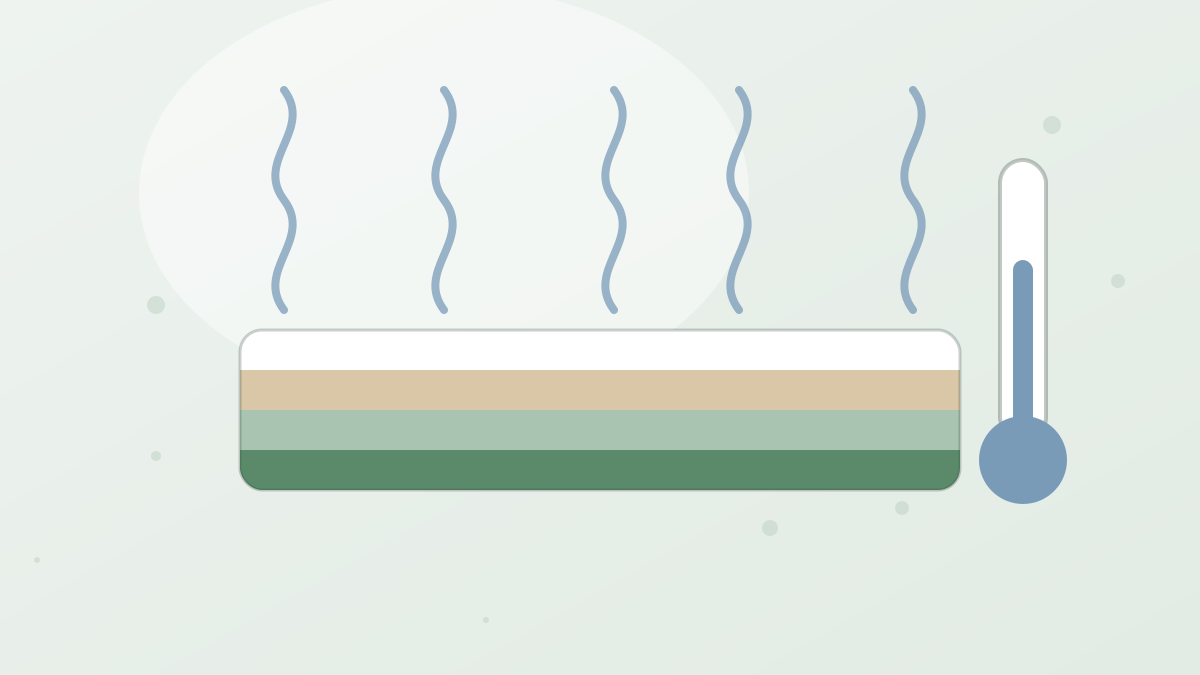
Every night, your body releases heat and moisture into the mattress. On a slatted base, that moisture escapes through the bottom of the mattress and evaporates. On the floor, the bottom surface is pressed against a cool, flat surface that doesn't breathe.
The temperature difference between a warm mattress and a cooler floor can also cause condensation, especially in cold rooms or on concrete floors. Over weeks and months, that dampness can build up.
Natural latex resists mold and dust mites better than many materials, but it isn't immune to moisture. Wool and cotton, common in natural mattresses, also absorb moisture. Without airflow, any of them can develop mildew or odors.
Pros and Cons of a Floor Setup
What We Like
- Firm, even support with no sagging slats
- No foundation cost
- Low profile for a minimalist look
- Easy for kids or temporary setups
What to Consider
- Restricted airflow and moisture buildup
- Higher risk of mildew or mold, especially in humid rooms
- More dust, allergens and pests can reach the mattress
- Harder to get in and out of bed
- May not meet warranty foundation requirements
Which Floors Are Riskiest?
Table: Floor Types and Moisture Risk | Floor Type | Moisture Risk | Notes | |---|---|---| | Concrete or basement | High | Cool and can draw moisture; condensation likely | | Carpet | Moderate to high | Traps moisture and dust | | Tile | Moderate | Cool surface; condensation possible | | Hardwood or laminate | Lower to moderate | Better, but still no airflow | | Raised slatted surface | Low | Air moves underneath |
Humidity matters as much as floor type. A dry climate with a hardwood floor is much lower risk than a humid basement with carpet.
How to Put a Latex Mattress on the Floor Safely
If you need a floor setup, these steps reduce the risk:
- Choose a dry, clean floor. Hard floors are better than carpet.
- Add a breathable layer underneath. A slatted bunkie board, a thin slatted mat or a breathable rug pad can help air move.
- Stand the mattress up regularly. Lean it against a wall for a few hours every week or two to let the underside breathe.
- Use a breathable protector. It keeps sweat out of the top of the mattress.
- Control humidity. A dehumidifier helps in damp rooms.
- Check underneath often. Look and smell for dampness or mildew.
- Keep the room ventilated. Open windows when you can.
These steps help, but they don't fully replace the airflow of a proper base.
Warranty Considerations
Many mattress warranties specify the type of foundation required. Eco Terra's warranty requires a rigid foundation supporting the head, foot and sides, with rigid center support, and at least five hardwood 1x4 slats if there's no metal center support. It also excludes damage from improper foundations and stains or soiling.
A floor provides support, but whether it satisfies a given warranty depends on the brand's terms. Damage from moisture or mildew is also unlikely to be covered. If you plan to use the floor long-term, check with the brand first. Our warranty guide explains foundation rules.
Better Low-Profile Alternatives

If you like the look and feel of a mattress close to the floor, these options keep the aesthetic while adding airflow:
- Low-profile slatted foundations. Eco Terra's Natural Wood Foundation comes in a 5-inch low-profile version, $369 for a queen in November 2026.
- Floor-level platform frames with slats rather than a solid deck.
- Slatted bunkie boards or roll-up slat mats, which lift the mattress slightly and allow air underneath.
- Japanese-style tatami or slatted bases designed for floor sleeping.
Each keeps you low while letting the mattress breathe. Our best foundation guide compares base types.
Signs of Moisture Problems
Check the underside of a floor-placed mattress regularly. Watch for:
- A musty or sour smell
- Damp spots on the bottom or on the floor
- Discoloration, such as gray, green or black spots
- Condensation on the floor under the mattress
- New allergy symptoms in the bedroom
If you find any of these, move the mattress onto a ventilated base, let it dry thoroughly in a well-ventilated room, and address the moisture source. Mold that has penetrated deep into a mattress is very hard to remove, and you may need to consult the brand or replace the mattress. Our cleaning guide explains how to dry and freshen a mattress.
Floor Sleeping for Kids
Some parents put a mattress on the floor for young children, especially when transitioning from a crib, because it reduces the risk of falling out of bed. That can be a practical short-term choice. The same moisture precautions apply: use a breathable protector, stand the mattress up regularly and check underneath. A low-profile slatted base offers the same safety benefit with better airflow.
Seasonal Considerations
Moisture risk changes with the seasons. In humid summers, sweat and room humidity both increase. In cold winters, a warm mattress on a cold floor is more likely to create condensation underneath. Either can lead to dampness if the mattress can't breathe.
If you keep a mattress on the floor through these seasons, air it out more often, run a dehumidifier when humidity is high, and check the underside more frequently. Moving to a slatted base before the most humid or coldest months is a simple way to avoid problems.
Temporary Floor Use: Moving, Guests and Renovations
Short stretches on the floor are common, such as the first few nights after a move, a guest setup, or while a bed frame is being replaced. For a few nights, the risk is low. Strip the bed in the morning, lean the mattress against a wall for a few hours when you can, and put it back on a proper base as soon as possible.
Latex vs Other Mattress Types on the Floor
Table: How Mattress Types Handle Floor Use | Mattress Type | Floor Suitability | Why | |---|---|---| | Latex hybrid | Fair | Coils allow some internal airflow, but the bottom still can't breathe | | All-latex | Fair to poor | Dense; holds moisture if not ventilated | | Memory foam | Poor | Dense and heat-retaining | | Innerspring | Fair | More internal air space | | Futon or floor mattress | Good | Designed for floor use; often rolled and aired |
None of these is ideal on a floor every night without precautions.
Want a latex hybrid and a proper base to go with it? Check today's Eco Terra prices on the official site.
Latex Mattress on Floor FAQ
Can a latex mattress go on the floor?
Short-term, yes. Long-term, it risks moisture buildup and mildew because the underside can't breathe.
Will a latex mattress get moldy on the floor?
It can, especially in humid rooms or on cool floors. Natural latex resists mold but isn't immune to trapped moisture.
Does putting a mattress on the floor void the warranty?
It may. Eco Terra's warranty requires a rigid foundation with center support; check with the brand for floor use.
How do you keep a floor mattress from getting moldy?
Use a breathable layer underneath, stand it up regularly to air out, control humidity and check underneath often.
What's a good alternative to the floor?
A low-profile slatted foundation, such as Eco Terra's 5-inch wood foundation, keeps the low look with better airflow.