The Quick Answer
Mattress firmness is usually described on a 1-to-10 scale, where 1 is extremely soft and 10 is extremely firm. Most mattresses sit between about 4 and 7, and "medium-firm," around 6 to 7, is the most common.
The right firmness depends mostly on two things: how you sleep and how much you weigh. Side sleepers usually need softer surfaces to cushion the shoulder and hip. Back and stomach sleepers usually need firmer surfaces to keep the hips from sinking. Heavier people press deeper into any mattress, so they often need firmer support than lighter people.
How the 1-10 Firmness Scale Works
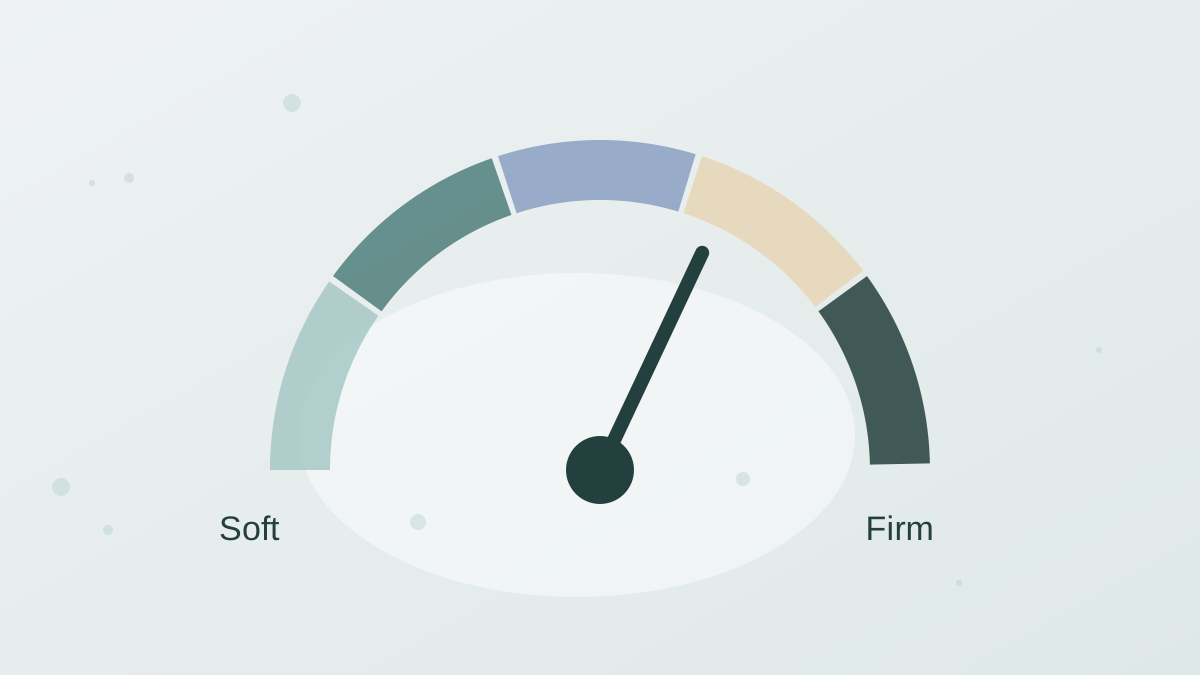
There's no official industry standard for the firmness scale. Each brand and reviewer rates beds slightly differently, so treat the numbers as approximate. Still, the scale is a useful shorthand.
Table: The Mattress Firmness Scale | Rating | Label | What It Feels Like | |---|---|---| | 1–2 | Extra soft | Deep sinking; rare in modern mattresses | | 3–4 | Soft | Plush, cradling surface | | 5 | Medium | Balanced cushioning and support | | 6–7 | Medium-firm | Supportive with some give; the most common range | | 8 | Firm | Minimal sinking; you rest on top | | 9–10 | Extra firm | Very little give; uncommon |
A mattress's rating is usually based on how it feels to an average-weight sleeper. If you're lighter or heavier than average, it will feel different to you.
Firmness by Sleep Position
Side Sleepers
When you sleep on your side, your shoulder and hip carry most of your weight. A surface that's too firm pushes back hard on those points, which can cause soreness or numbness. A medium mattress, around 5 to 6, usually lets the shoulder and hip sink in enough while keeping the waist supported. Lighter side sleepers may prefer slightly softer. Our best latex mattress for side sleepers guide covers options.
Back Sleepers
Back sleepers spread their weight more evenly but need support under the lower back. Medium-firm, around 6 to 7, keeps the hips from sinking too far while letting the lower back settle slightly. Our back pain guide covers supportive options.
Stomach Sleepers
Stomach sleeping puts the heaviest part of the body, the hips, directly on the mattress. A soft bed lets the hips sink and arches the lower back. Medium-firm to firm, around 7 to 8, usually works best. Our stomach sleepers guide has picks.
Combination Sleepers
If you change positions through the night, you need a balance. Medium to medium-firm, around 5 to 7, usually works, and responsive materials like latex make it easier to turn over.
Firmness by Body Weight
Table: Firmness Starting Points by Weight and Position | Body Weight | Side | Back | Stomach | |---|---|---|---| | Under 130 lb | 4–5 | 5–6 | 5–6 | | 130–230 lb | 5–6 | 6–7 | 6–7 | | Over 230 lb | 6–7 | 7–8 | 7–8 |
Heavier sleepers compress a mattress more, so a "medium" feels softer to them. They often do best one step firmer than the average recommendation and benefit from sturdy coils and thicker comfort layers. Lighter sleepers barely compress the surface, so a medium-firm can feel firm. Our heavy sleepers guide goes deeper.
Firmness vs Support: Not the Same Thing
Firmness describes how the surface feels. Support describes how well the mattress keeps your spine aligned. They're related, but a soft mattress can still be supportive, and a firm mattress can be unsupportive if it creates pressure points that throw your body out of line.
Support comes mainly from the core: coils in a hybrid, or a dense latex or foam base. Firmness comes mostly from the comfort layers on top. That's why a medium latex hybrid can feel cushioned on the surface while still holding your hips level.
How Mattress Type Changes the Feel
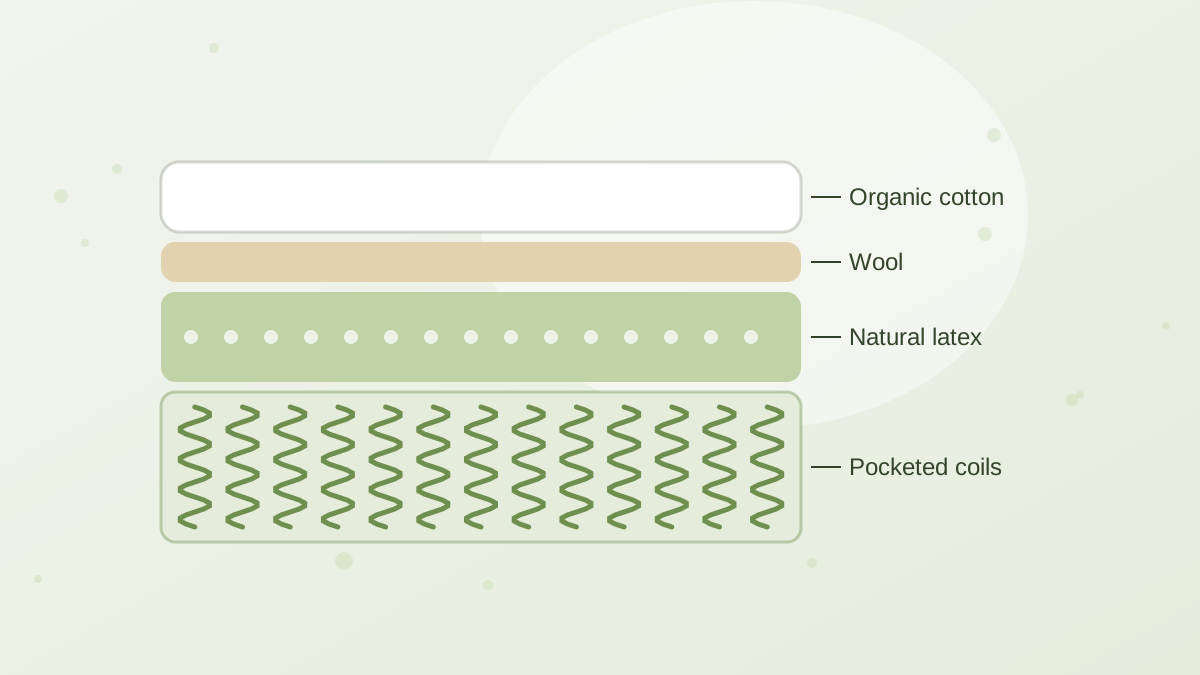
The same firmness number can feel different depending on materials.
Table: How Materials Affect Perceived Firmness | Material | How It Feels at the Same Rating | |---|---| | Latex | Buoyant; pushes back; often feels firmer than foam | | Memory foam | Slow, sinking hug; often feels softer | | Polyfoam | Bouncier than memory foam, less than latex | | Innerspring | Springy surface; firmness varies with padding | | Hybrid | Combines comfort layers with coil bounce |
Latex deserves special mention. Because it pushes back as you sink, many people find a latex mattress feels firmer than a memory foam bed with the same rating. Side sleepers moving from memory foam to latex often do best choosing one step softer than they'd expect.
Latex Firmness and ILD
Latex firmness is often measured by ILD, the force needed to compress a sample by 25 percent. Higher ILD means firmer latex. As a rough guide, latex comfort layers around ILD 24–26 feel medium, and around 29–31 feel medium-firm.
Eco Terra publishes these numbers for its two options: ILD 24–26 for Medium and ILD 29–31 for Medium-Firm. Independent reviewers have described the Medium at roughly 5 to 6 out of 10. Our latex ILD guide explains the scale in detail.
Choosing Firmness as a Couple
Couples often have different needs: a light side sleeper and a heavier back sleeper, for example. Options include:
- A middle firmness, usually medium, that both can live with
- A split king, made from two Twin XL mattresses in different firmness levels
- Split-layer all-latex beds, which let you set each side differently
- A topper on one side, to soften one half of a firmer mattress
Our couples guide covers each approach.
Signs Your Mattress Is the Wrong Firmness
Too firm:
- Shoulder, hip or arm numbness, especially for side sleepers
- Pressure points that make you shift often
- Waking with aches in the shoulders or hips
Too soft:
- Lower back stiffness in the morning
- A feeling of sinking or "climbing out" of the mattress
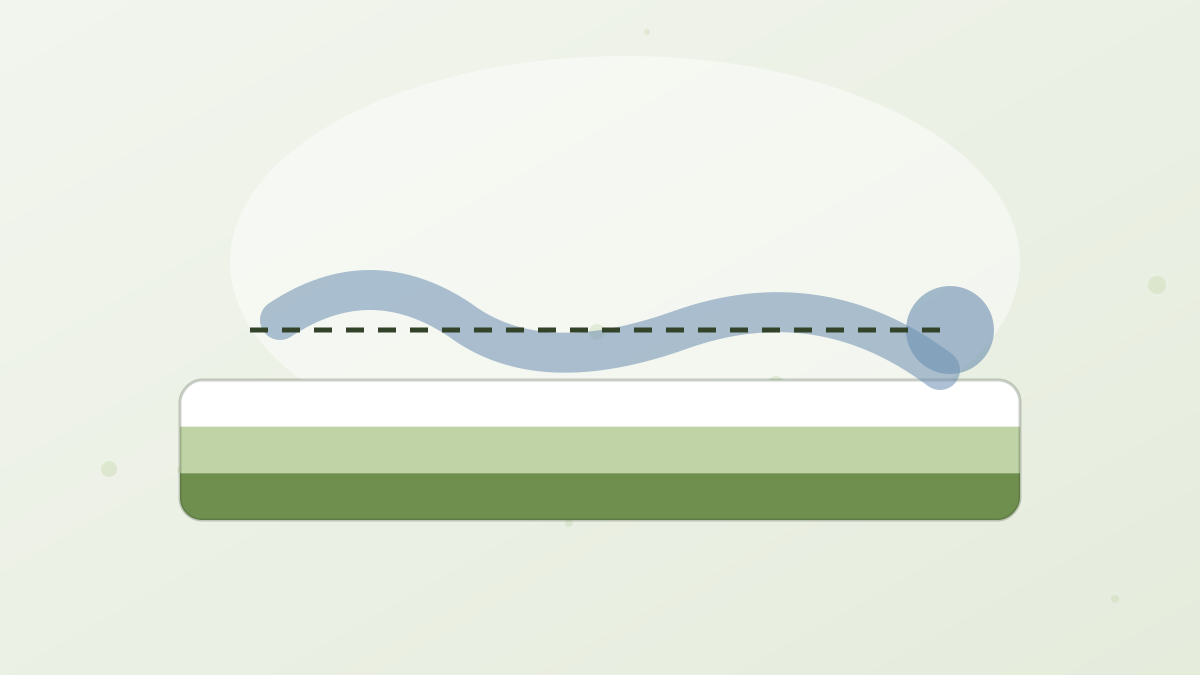
- Hips that dip below the line of your shoulders
If you notice these on a new mattress, give it at least 30 nights first, since bodies take time to adjust and latex can soften slightly during break-in. Our too firm or too soft guide explains the fixes.
How to Adjust Firmness Without a New Mattress
- Too firm: add a soft or medium latex topper, usually 2 to 3 inches.
- Too soft: check your foundation first. A thin firm topper can help slightly, but won't fix sagging.
- Still wrong after 30 nights: use the trial to exchange or return.
Eco Terra sells latex toppers in Soft, Medium and Medium-Firm, starting at $274 for a 2-inch queen. Our Eco Terra toppers guide compares them.
Firmness and Common Health Concerns
Many people choose a firmness because of aches or pain. A mattress isn't a medical treatment, and anyone with ongoing or severe pain should talk to a doctor or physical therapist. That said, these general patterns are common starting points.
Table: General Firmness Starting Points for Common Concerns | Concern | Common Starting Point | Why | |---|---|---| | Lower back discomfort | Medium-firm | Keeps hips from sinking | | Shoulder pressure (side sleepers) | Medium, or medium plus soft topper | Cushions the shoulder | | Hip pressure (side sleepers) | Medium | Lets the hip sink slightly | | Neck stiffness | Depends on pillow height as much as mattress | Keep the head aligned with the spine | | Sleeping hot | Medium to medium-firm hybrid | You sink less; coils add airflow |
Our back pain guide and hip and shoulder pain guide cover these needs in more detail.
Firmness Changes Over Time
Firmness isn't fixed forever. New mattresses often feel slightly firmer for the first few weeks, then settle as materials loosen. That's normal, and it's one reason brands ask you to wait about 30 nights before returning.
Over years, many mattresses soften further. Natural latex holds its firmness better than most foams, but any mattress can feel softer if its foundation flexes. If an older mattress feels noticeably softer or uneven, check the base before blaming the mattress, and see our latex sagging guide for what's normal.
Your own needs can change too. Weight changes, injuries, pregnancy and aging can all shift the firmness that feels best. If your current mattress used to feel right and now doesn't, that may be the reason.
How to Test Firmness at Home
If you're unsure whether your mattress is the right firmness, try this simple check. Lie in your usual position and ask someone to look at your spine from the side or back.
- Side sleepers: your spine should look roughly straight from neck to hips, with no big dip at the waist or tilt at the shoulder.
- Back sleepers: you should be able to slide a hand under your lower back with slight resistance. A large gap suggests too firm; no gap with sinking hips suggests too soft.
- Stomach sleepers: your hips shouldn't sink noticeably below your shoulders.
It's not a scientific test, but it helps you spot obvious mismatches.
Choosing Between Eco Terra Medium and Medium-Firm
Table: Eco Terra Firmness Options | Option | ILD | Best For | Queen Price (Nov 2026) | |---|---|---|---| | Medium | 24–26 | Side sleepers, lighter sleepers, pressure relief | $1,014 | | Medium-Firm | 29–31 | Back, stomach and larger sleepers | $1,019 |
If you mostly sleep on your side and weigh under about 230 pounds, choose Medium. If you mostly sleep on your back or stomach, or you're heavier, choose Medium-Firm. Combination sleepers who spend most nights on their side usually prefer Medium. Our Medium vs Medium-Firm guide walks through the decision.
Know which firmness fits you? Check today's Eco Terra Medium and Medium-Firm prices on the official site.
Mattress Firmness FAQ
What is the most popular mattress firmness?
Medium-firm, around 6 to 7 out of 10. It suits back sleepers and many combination sleepers.
What firmness is best for side sleepers?
Medium, around 5 to 6, for most side sleepers. Lighter side sleepers may prefer softer.
Is a firm mattress better for your back?
Not always. Many people with back discomfort prefer medium-firm. Too firm can create pressure points; talk to a professional about ongoing pain.
Does latex feel firmer than memory foam?
Often, yes. Latex pushes back, so many people find it feels firmer at the same rating.
How long does it take to adjust to a new mattress firmness?
Usually a few weeks. Give a new mattress at least 30 nights before deciding.