The Short Version
Choosing a latex mattress comes down to eight decisions, best made in this order:
- Design: latex hybrid or all-latex
- Latex type: natural, organic, blended or synthetic
- Certifications: which labels back up the materials
- Firmness: based on sleep position and body weight
- Height and latex thickness
- Support details: coils, edges and zoning
- Trial, warranty and returns
- Budget and total cost
Get the first four right and you've made most of the decision. The rest fine-tunes it.
Step 1: Choose Hybrid or All-Latex
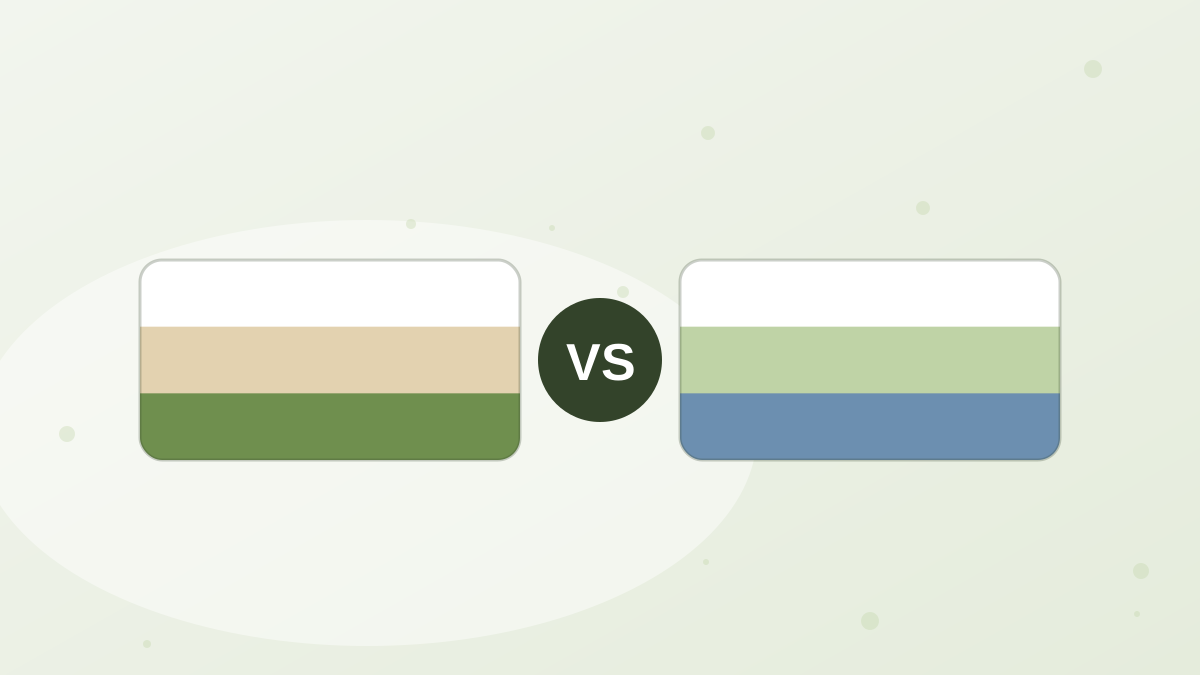
This is the biggest decision, because the two designs feel and behave differently.
Table: Latex Hybrid vs All-Latex at a Glance | Factor | Latex Hybrid | All-Latex | |---|---|---| | Feel | Springy, airy | Dense, grounded | | Cooling | Very good | Good | | Motion isolation | Moderate | Strong | | Edge support | Strong | Softer | | Weight | Heavy | Often heavier | | Typical queen price | $1,000–$2,700 | $1,500–$3,000+ |
Choose a hybrid if you sleep hot, sit on the bed's edge often, like a bit of bounce or want a lower price. Choose all-latex if you're a light sleeper sharing a bed, want maximum durability or like the idea of rearranging layers in a zippered design.
Most shoppers end up happier with a hybrid. Our hybrid vs all-latex guide covers the differences in depth.
Step 2: Decide How Natural You Want the Latex
Latex comes in four broad types:
- Certified organic natural latex (GOLS): natural latex from organically managed rubber farms, independently certified
- Natural latex: from rubber tree sap, not necessarily organic
- Blended latex: a mix of natural and synthetic, often mostly synthetic
- Synthetic latex: petroleum-based, made to imitate natural latex
Natural and organic latex usually last longer and suit shoppers who want natural materials. Blended and synthetic latex cost less. If you're paying latex prices, we'd look for natural or organic latex. Our natural vs synthetic latex guide explains how to tell them apart.
Step 3: Check the Certifications
Certifications let you verify material claims you can't see. The most useful ones for latex shoppers:
- GOLS for organic latex
- GOTS for organic cotton and wool, or a finished mattress
- eco-INSTITUT or GREENGUARD Gold for low emissions
- OEKO-TEX Standard 100 for textiles tested for harmful substances
If a latex mattress lists CertiPUR-US, it contains polyurethane foam somewhere. That's fine if you're comfortable with foam, but it means the bed isn't foam-free. Our certifications guide explains what each label proves.
Step 4: Pick the Right Firmness
Firmness depends mainly on your sleep position and body weight.
Table: Latex Firmness Starting Points | Sleep Position | Under 130 lb | 130–230 lb | Over 230 lb | |---|---|---|---| | Side | Soft to medium | Medium | Medium to medium-firm | | Back | Medium | Medium-firm | Medium-firm to firm | | Stomach | Medium-firm | Medium-firm to firm | Firm | | Combination | Medium | Medium to medium-firm | Medium-firm |
Remember that latex often feels firmer than memory foam at the same label. If you're between two options and sleep on your side, the softer one is usually the safer choice. If a brand publishes ILD numbers, use them: Eco Terra rates its Medium at ILD 24–26 and Medium-Firm at ILD 29–31. Our firmness guide and ILD guide explain both scales.
Step 5: Consider Height and Latex Thickness
Most latex hybrids are 10 to 13 inches tall, and most comfort layers are 2 to 4 inches of latex.
- 2 inches of latex feels firmer and more coil-forward
- 3 inches balances cushioning and support for most sleepers
- 4 inches or more gives deeper pressure relief, often preferred by side sleepers
Taller mattresses can help heavier sleepers but may need deep-pocket sheets and can sit high on tall frames. The Eco Terra is 11 inches with a 3-inch latex layer. Our mattress height guide has more detail.
Step 6: Look at Coils, Edges and Zoning
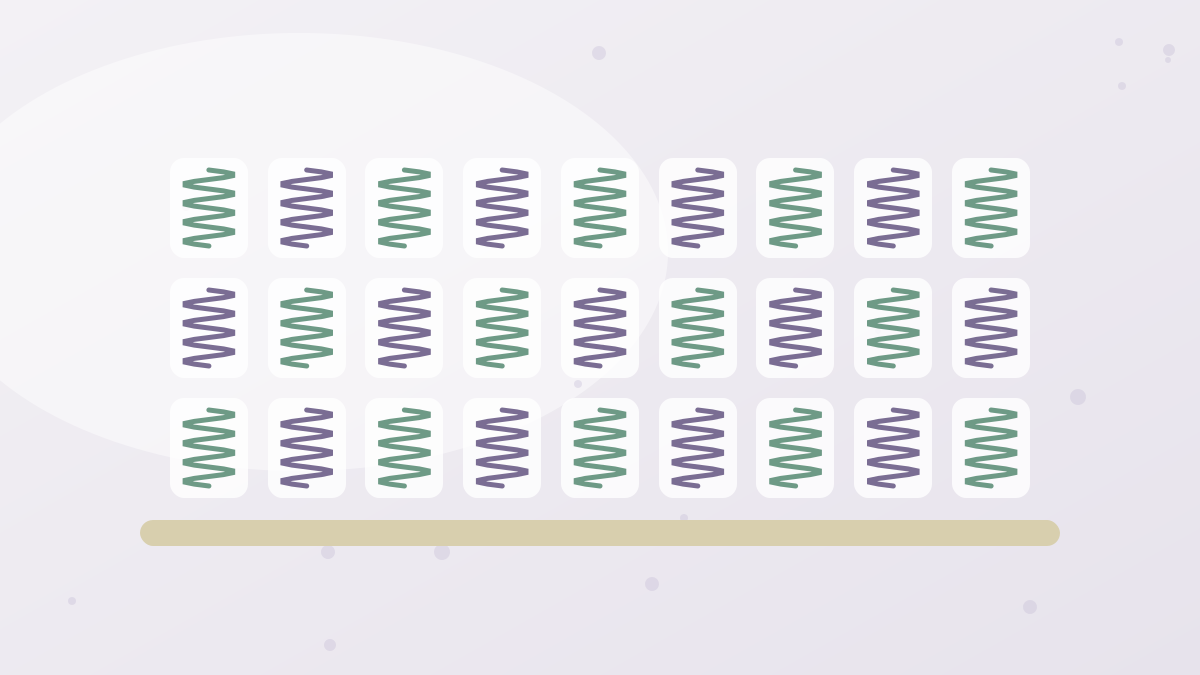
In a hybrid, the coil unit does most of the supporting. Look for:
- Pocketed (individually wrapped) coils for contouring and lower motion transfer
- Gauge around 14 to 16 for most sleepers; lower numbers mean thicker steel
- Edge support from dedicated perimeter coils or reinforcement
- Zoning, if you want firmer support under the hips
The Eco Terra uses 15-gauge coils in the center and a separate 16-gauge coil around the edge for edge support. It isn't zoned. Our pocketed coils guide explains each spec.
Step 7: Read the Trial, Warranty and Return Terms
Latex feels different from foam, so you need time to adjust. Look for:
- A trial of at least 90 nights, with a clear minimum before returns
- Return fees and any non-refundable charges
- Where the trial applies, since some brands only honor it for direct purchases
- Warranty length and type, especially whether it's non-prorated
- Foundation requirements, which can affect warranty coverage
Table: Example Trial and Warranty Terms | Brand | Trial | Warranty | |---|---|---| | Eco Terra | 90 nights (30-night minimum; direct purchases) | 15 years, non-prorated | | Saatva Latex Hybrid | 365 nights | Lifetime | | Avocado Green | 1 year | 25-year limited | | Awara | 365 nights | Forever Warranty | | Sleep On Latex | 100 nights | 10 years |
Our sleep trials guide and warranty guide explain the fine print.
Step 8: Set a Budget and Think in Total Cost
Natural latex hybrids usually cost $1,000 to $2,700 for a queen, and organic all-latex beds often cost $2,000 or more. Budget for extras too:
- A breathable protector to keep the mattress clean and the warranty valid
- A supportive foundation, if your current base is weak or has widely spaced slats
- Return or removal fees if you might use the trial
Spread over a long lifespan, a natural latex mattress can cost about the same per year as a cheaper foam bed you'd replace sooner. Our latex mattress cost guide compares prices.
Common Mistakes to Avoid
- Choosing too firm. Latex already feels supportive; very firm options can be hard on side sleepers.
- Ignoring the base. A sagging box spring or wide slats will undermine any mattress.
- Trusting vague labels. "Natural" and "pure latex" can hide blends.
- Skipping the trial terms. Fees and minimum nights vary widely.
- Judging too soon. Give a new latex mattress at least 30 nights.
- Forgetting your partner. Consider both sleepers' positions and weights, or a split king.
Quick Decision Paths

Table: Matching Sleepers to a Starting Point | If You... | Consider | |---|---| | Sleep hot | Latex hybrid with wool and cotton cover | | Sleep on your side | Medium latex, 3"+ comfort layer | | Sleep on your back or stomach | Medium-firm latex hybrid | | Weigh over 230 lb | Medium-firm or firm, sturdy coils, 11"+ | | Share with a light sleeper | All-latex, or a king-size hybrid | | Want certified organic materials | GOLS latex plus GOTS textiles | | Have a tight budget | Hybrid over all-latex; shop holiday sales | | Have a latex allergy | Talk to your doctor first |
How to Read Reviews of Latex Mattresses
Independent reviews are useful, but they're easier to use well if you know what to look for.
Match the reviewer to yourself. Firmness ratings depend on the tester's weight and sleep position. A 130-pound reviewer may call a mattress firm that a 220-pound reader finds medium.
Look for patterns, not single opinions. If several reviewers say a mattress transfers motion or sleeps cool, that's more reliable than one strong opinion either way.
Check the date and version. Mattresses change. Eco Terra's current hybrid uses organic wool where an earlier version used a thin foam layer, so reviews from several years ago may describe a different bed.
Separate product from service. Complaints about shipping delays or customer service are worth noting, but they're different from complaints about comfort or durability. Our Eco Terra problems guide shows how to weigh both.
Watch for undisclosed incentives. Reviews on brand websites can be useful but may be curated. Independent publications are usually more balanced.
Questions to Ask Before You Order
- What exactly is in each layer, from cover to base?
- Is the latex natural, organic, blended or synthetic?
- Which certifications apply, and to which components?
- What are the firmness options, and are ILD numbers published?
- How heavy is the mattress in your size?
- What foundation does the warranty require?
- How long is the trial, what's the minimum, and what are the fees?
- Does the trial apply if you buy through a marketplace?
A good brand will answer each of these quickly and specifically.
Your Latex Mattress Checklist
Design
Decide hybrid or all-latex based on cooling, motion and budget.
Latex Type
Choose natural or certified organic latex rather than blends if you want longevity.
Certifications
Confirm GOLS for latex and GOTS for textiles, plus an emissions label.
Firmness
Match medium or medium-firm to your sleep position and weight.
Height
Pick a profile that suits your frame, sheets and body weight.
Support
Check coil type, gauge and edge support.
Policies
Read trial length, minimum nights, fees and warranty terms.
Budget
Include protector, foundation and possible return costs.
Where the Eco Terra Fits
The Eco Terra Hybrid Latex checks most of the boxes on this list for a mid-range price: 3 inches of GOLS and eco-INSTITUT certified organic latex, a GOTS organic wool fire barrier and cotton cover, fabric-encased coils with dedicated edge support, two firmness options, an 11-inch profile, a 90-night trial and a 15-year non-prorated warranty. Queen prices are $1,014 in Medium and $1,019 in Medium-Firm in November 2026.
It isn't the right pick for everyone. Very light sleepers may prefer all-latex, and shoppers who want a GOTS-certified finished mattress will pay more elsewhere. Our Eco Terra review covers its strengths and trade-offs in detail.
Ready to compare against your checklist? Check today's Eco Terra price on the official site.
How to Choose a Latex Mattress FAQ
What should you look for in a latex mattress?
Natural or organic latex, credible certifications, the right firmness for your position and weight, sturdy support, and a trial of at least 90 nights.
Is a latex hybrid or all-latex mattress better?
Hybrids are cooler, bouncier and cheaper; all-latex isolates motion better and contains more latex. Most people prefer a hybrid.
What firmness should a latex mattress be?
Side sleepers usually do best on medium; back and stomach sleepers on medium-firm. Heavier sleepers may want firmer.
How thick should the latex layer be?
Around 3 inches suits most sleepers in a hybrid. Side sleepers may like 4 inches; firmer feels often use 2.
How long should a latex mattress trial be?
At least 90 nights is ideal, since latex takes time to adjust to. Many brands require about 30 nights before a return.