The Quick Verdict
Latex mattresses are durable, cool, responsive and, in natural versions, made from renewable materials. Their main downsides are price, weight, a firmer feel than many people expect, and some motion transfer in hybrid designs. People with latex allergies also need to take extra care.
For most shoppers who want a long-lasting, cool-sleeping, natural mattress, the pros outweigh the cons. For people who love a deep, slow-sinking hug or need the lowest possible price, another material may suit them better.
Latex Pros and Cons at a Glance
Table: Latex Mattress Pros and Cons | Pros | Cons | |---|---| | Very durable; resists sagging | Costs more than foam | | Sleeps cooler than memory foam | Heavy and harder to move | | Responsive and easy to move on | Can feel firmer than expected | | Pressure relief with support | Hybrids transfer some motion | | Natural and renewable (natural latex) | Not suitable for some latex allergies | | Quiet | Mild smell when new | | Resists dust mites and mold | Fewer models to choose from |
What We Like
- Long lifespan and strong resistance to body impressions
- Cool, breathable feel, especially in hybrids
- Responsive surface that makes changing positions easy
- Natural and organic options without polyurethane foam
What to Consider
- Higher upfront price than foam beds
- Heavy, especially all-latex designs
- Firmer feel than memory foam at the same label
- Not ideal for people with severe latex allergies
Pro: Latex Lasts a Long Time

Durability is latex's biggest strength. Natural latex is elastic and resilient, so it springs back after years of use and resists the soft spots and body impressions that develop in many foam beds.
That's why latex mattresses often carry long warranties. Eco Terra's hybrid has a 15-year non-prorated warranty, and many all-latex beds go longer. A mattress that stays comfortable for many years costs less per year than one you replace sooner. Our latex lifespan guide explains what affects how long it lasts.
Pro: It Sleeps Cooler Than Memory Foam
Latex has an open-cell structure, and most latex layers are pierced with pinholes that let air pass through. It also doesn't soften with body heat the way memory foam does, so you sink less and more of your body stays exposed to air.
Latex hybrids go further, because the coil layer underneath creates open space for airflow. Pair that with a wool and cotton cover, as in the Eco Terra, and you get one of the cooler mattress designs available. Our cooling latex guide has more detail.
Pro: Responsive and Easy to Move On
Latex pushes back as soon as you press into it. That makes it easy to roll over, change positions or get out of bed without feeling stuck in a hollow. Combination sleepers and people with joint stiffness often appreciate this.
Couples also notice it. A responsive surface is easier to move on together, which many reviewers highlight as a plus for latex hybrids.
Pro: Pressure Relief With Support
Latex contours to your shoulders and hips, then pushes back to keep your spine aligned. It's a balance between the deep cushioning of memory foam and the firm support of an innerspring.
For side sleepers, a medium latex comfort layer relieves pressure at the shoulder and hip. For back and stomach sleepers, a medium-firm layer keeps the hips from sinking. Eco Terra offers both: Medium (ILD 24–26) and Medium-Firm (ILD 29–31).
Pro: Natural, Renewable Materials
Natural latex comes from rubber trees that keep producing sap for years. Certified organic latex adds standards for farming and processing. Paired with organic wool and cotton, a natural latex mattress can avoid polyurethane foam, chemical flame retardants and fiberglass.
The Eco Terra, for example, uses GOLS-certified organic latex, GOTS-certified organic wool and cotton, and steel coils, with no polyurethane foam. Our certifications guide explains what each label proves.
Pro: Quiet and Resistant to Dust Mites
Latex makes no noise when you move, and individually wrapped coils in hybrids are quiet too. Natural latex is also generally considered resistant to dust mites and mold, which many allergy-conscious sleepers value. Keep in mind that a mattress protector is still the best defense against dust and moisture.
Con: Latex Costs More

Natural latex is one of the most expensive mattress materials, because it depends on rubber farming and more involved processing. Organic certification adds further cost. As a result, latex mattresses usually cost more than foam beds of similar size.
How to soften the cost: choose a latex hybrid rather than all-latex, since hybrids use less latex. The Eco Terra queen costs $1,014 in Medium in November 2026, well below many organic all-latex queens. Spreading the cost over a long lifespan helps too. Our latex mattress cost guide compares prices.
Con: Latex Is Heavy
Latex is dense. A queen Eco Terra hybrid weighs about 100 pounds, and a king about 127. All-latex mattresses can weigh more. That makes moving, rotating and changing sheets harder.
How to handle it: get help when moving the mattress, and look for designs with handles if you'll rotate it often. Many all-latex beds arrive in layers you assemble inside the cover, which makes setup easier. Our moving a latex mattress guide has practical tips.
Con: It Can Feel Firmer Than Expected
Latex pushes back more than memory foam. Many people who switch from a soft foam bed find latex feels firmer, even at the same firmness label. Side sleepers notice this most at the shoulder.
How to handle it: choose a medium rather than medium-firm if you sleep on your side, look for a thicker comfort layer, or add a soft latex topper. Give it at least 30 nights, since latex often softens slightly during break-in. Our too firm or too soft guide covers fixes.
Con: Hybrids Transfer Some Motion
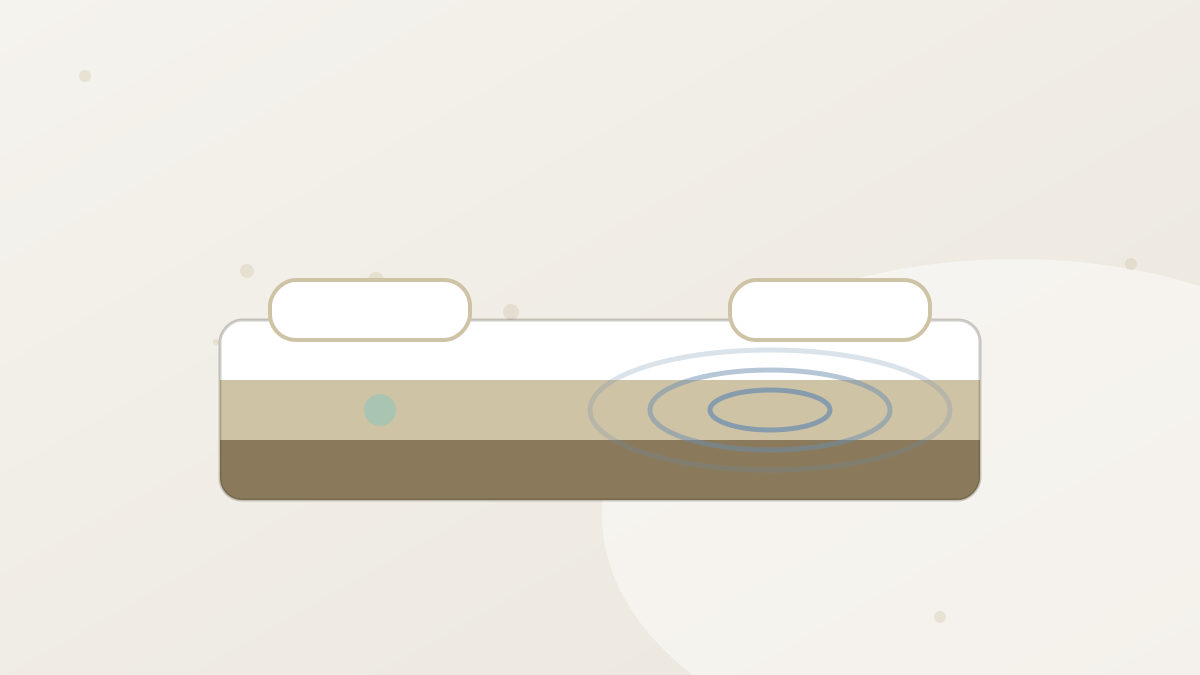
Latex hybrids are bouncy, so some movement travels across the bed. Light sleepers sharing a bed with a restless partner may notice it.
How to handle it: all-latex beds isolate motion better. A larger mattress, such as a king, also helps by giving each partner more space. Our best latex mattress for couples guide compares options.
Con: Latex Allergies
Natural latex contains proteins that can cause reactions in people with latex allergies. Mattress latex is covered and usually washed during manufacturing, and many people with mild allergies report no problems. But reactions vary.
What to do: if you have a known latex allergy, especially a severe one, talk to your doctor or allergist before buying a latex mattress. Our latex allergy guide explains more.
Con: A Mild Smell When New
Natural latex can have a mild, sweet, rubbery smell when you first unbox it. It's different from the chemical odor some foam beds give off and usually fades within days to a few weeks. Eco Terra says its mattress has no chemical off-gassing and you can sleep on it right away.
How to handle it: air the room well during the first few days. Our latex smell guide explains what's normal.
Who Latex Is Best For
Table: Is Latex a Good Fit? | Sleeper | Fit | Why | |---|---|---| | Hot sleepers | Excellent | Cool, breathable materials | | Combination sleepers | Excellent | Easy to move on | | Back sleepers | Very good | Even support in medium-firm | | Side sleepers | Good | Choose medium or add a topper | | Couples | Good | Responsive; hybrids transfer some motion | | Eco-conscious shoppers | Excellent | Natural and organic options | | People who love a deep hug | Fair | Memory foam contours more | | Tight budgets | Fair | Higher upfront price |
If most "excellent" or "very good" rows apply to you, latex is a strong choice. Our how to choose a latex mattress guide helps you pick the right design and firmness.
Latex Hybrid vs All-Latex: Which Has Fewer Downsides?
Several of latex's drawbacks are milder in hybrids. Hybrids cost less, weigh less and sleep cooler. The trade-off is more motion transfer and less latex overall. All-latex beds isolate motion better and last very long, but they're heavier and pricier.
For most shoppers, a latex hybrid offers the best balance of pros and cons. Our hybrid vs all-latex guide compares them in detail.
Want latex's benefits with fewer trade-offs? Check today's Eco Terra Hybrid Latex price on the official site.
Latex vs Memory Foam: How the Pros and Cons Compare
Most latex shoppers are also considering memory foam, so it helps to see how their strengths and weaknesses line up.
Table: Latex vs Memory Foam Pros and Cons | Factor | Latex | Memory Foam | |---|---|---| | Feel | Responsive, buoyant | Slow, deep contouring | | Cooling | Cooler | Warmer, especially dense foam | | Durability | Longer | Shorter on average | | Motion isolation | Moderate (hybrid) to strong (all-latex) | Strong | | Price | Higher | Lower on average | | Natural materials | Yes, in natural versions | Petroleum-based foams | | Weight | Heavy | Lighter |
In short, latex trades some of memory foam's deep hug and motion isolation for cooler sleep, easier movement and a longer life. Our latex vs memory foam guide covers every difference.
Questions to Ask Yourself Before Choosing Latex
- Do you sleep hot? If yes, latex's cooling is a major plus.
- Do you plan to keep the mattress for many years? Latex's durability pays off over time.
- Do you prefer to sleep "on" rather than "in" the mattress? Latex suits that preference.
- Does your partner move a lot at night? If you're a light sleeper, consider all-latex or a larger size.
- Can you manage a heavy mattress? Plan for help with moving and rotating.
- Do you have a latex allergy? Talk to your doctor first.
If you answered yes to the first three, latex is likely a good fit. Our how to choose a latex mattress guide helps you narrow down design and firmness.
Latex Mattress Pros and Cons FAQ
What is the biggest downside of a latex mattress?
For most people, it's the higher price. Latex hybrids reduce the cost compared with all-latex beds.
Are latex mattresses worth it?
For people who value durability, cooling and natural materials, usually yes. Spread over a long lifespan, the yearly cost is often reasonable.
Do latex mattresses sag?
Natural latex resists sagging well. Most dips come from a weak foundation rather than the latex itself.
Is latex too firm for side sleepers?
It can be in firmer options. Side sleepers usually do best on medium latex or with a soft topper.
Do latex mattresses smell?
Natural latex may have a mild, sweet smell at first that usually fades. It's different from chemical off-gassing.