The Short Answer
Latex and memory foam are the two most popular comfort materials in modern mattresses, and they feel almost opposite. Latex is springy and responsive. It pushes back as you sink, so you rest "on" the mattress and move easily. Memory foam is slow and contouring. It softens with body heat and molds around you, so you sink "in" and feel hugged.
Neither is better for everyone. Latex usually wins on cooling, durability and ease of movement. Memory foam usually wins on deep pressure relief, motion isolation and price.
How Each Material Is Made

Latex foam starts as sap from rubber trees, or as a synthetic copy made from petrochemicals. Natural latex sap is whipped into a froth and cured with heat, using either the Dunlop or Talalay process. The result is a resilient, open-celled foam that bounces back instantly. Our how latex is made guide walks through each step.
Memory foam is a type of polyurethane foam, made from petroleum-based chemicals with additives that make it "viscoelastic." That means it responds to heat and pressure slowly, softening where your body is warm and heavy and then easing back into shape when you get up.
The ingredient difference matters to some shoppers. Natural latex is plant-based, and certified organic latex is available. Memory foam is synthetic, though many foams are certified for low emissions.
How Latex and Memory Foam Feel
This is the difference you'll notice first.
Table: Feel Comparison | Trait | Latex | Memory Foam | |---|---|---| | Sinkage | Light to moderate | Moderate to deep | | Response speed | Instant bounce-back | Slow, gradual recovery | | Sensation | Buoyant, lifted, "on top" | Cradling, hugged, "in the bed" | | Ease of moving | Easy | Takes more effort | | Surface feel | Springy | Dense and soft |
Many people who try latex after years on memory foam describe it as feeling firmer at first. That's because latex doesn't let you sink as far, even at the same firmness rating. The pressure relief is real, but it comes from even support rather than deep cushioning.
Pressure Relief and Support
Memory foam is the pressure-relief champion. Because it molds closely to your shape, it spreads weight across a large area and cushions sharp points like shoulders and hips. That's why many side sleepers and people with joint sensitivity love it.
Latex relieves pressure too, but differently. It contours lightly and pushes back evenly, which helps keep the spine level without letting the hips sink too deeply. Back and stomach sleepers often prefer that support. Side sleepers usually do well on a medium or softer latex.
What does that mean for you? If shoulder pressure is your main complaint, a softer latex or a memory foam bed may help. If your lower back aches because you sink too deep, latex's supportive lift is often the better fit.
Why Firmness Ratings Feel Different
Here's a detail that trips up many shoppers. A latex mattress and a memory foam mattress can carry the same firmness rating, say 6 out of 10, and still feel quite different.
That's because memory foam's firmness changes as it warms and as you settle in. It might feel firm for the first minute, then soften as it molds to you. Latex feels the same from the first second to the last, with no warm-up period, because it doesn't respond to heat.
So when you compare ratings, think about the experience behind the number. A "medium" latex bed feels supportive and lively. A "medium" memory foam bed feels cushioned and enveloping. If you're switching between the two, consider going one step softer on latex than you'd choose in memory foam, especially as a side sleeper. Latex firmness is often described with ILD numbers, which our ILD guide explains.
Temperature and Cooling
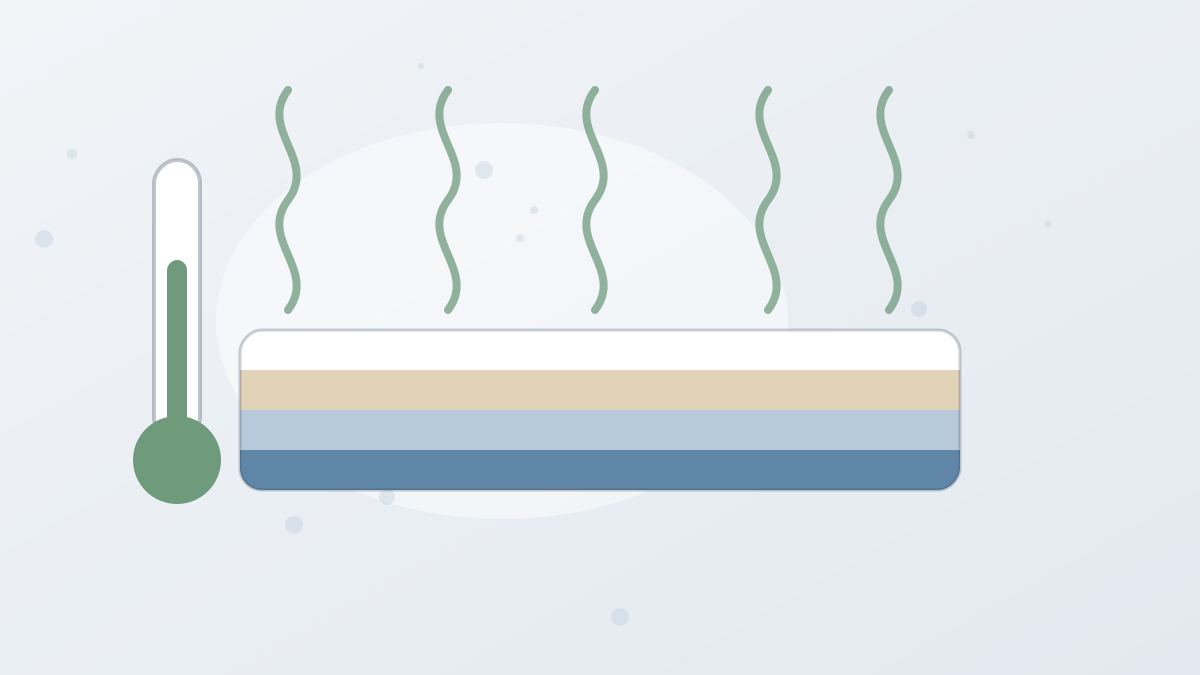
Latex generally sleeps cooler. Its open-cell structure lets air move, it doesn't soften with heat the way memory foam does, and natural latex is often perforated with small holes for extra airflow.
Memory foam has a reputation for trapping heat, because you sink into it and the dense foam surrounds your body. Many brands now add gel, copper, graphite or open-cell designs to reduce heat, and those help. Still, if you've woken up sweaty on a memory foam bed, latex is one of the most practical fixes. Our guide on whether latex mattresses sleep hot explains why.
Motion Isolation
Memory foam wins here. Its slow, dense response absorbs movement, so when a partner rolls over, you're less likely to feel it.
Latex is springier, so it carries more motion, especially in latex hybrids where coils add bounce. All-latex beds isolate motion better than latex hybrids but still not as well as memory foam. If a restless partner is your main concern, see our guide to the best latex mattress for couples.
Edge Support
Edge support depends more on construction than on the comfort material. Hybrids with coils, whether latex or memory foam, usually have firmer edges than all-foam beds.
Within all-foam and all-latex designs, latex holds the edge a little better, because it's denser and more resilient than most memory foams. Memory foam tends to compress deeply at the edge, which can make sitting on the side feel unstable. If you sit on the edge of the bed every morning, look for a hybrid with reinforced perimeter coils, such as the Eco Terra's thicker edge coils.
Durability and Lifespan
Latex is one of the most durable mattress materials. Natural latex resists breaking down and holds its shape for many years, which is why latex mattresses often come with long warranties.
Memory foam softens over time, and lower-density foams can develop body impressions sooner. High-density memory foam lasts longer, but in general, a quality latex mattress outlasts a comparable memory foam one.
That durability affects value. A latex mattress may cost more up front, but if it lasts several years longer, the cost per year can come out similar or lower. Our guide to how long latex mattresses last covers what affects lifespan.
Smell and Off-Gassing
New memory foam mattresses often have a chemical "new mattress smell" from volatile organic compounds (VOCs) released as the foam airs out. It usually fades within days to a few weeks, and certified low-emission foams reduce it.
Natural latex may have a mild, sweet, rubbery scent at first, which is different from chemical off-gassing and usually fades quickly. Organic latex mattresses that skip polyurethane foam and chemical flame retardants tend to have less of a chemical smell overall. Our latex mattress smell guide explains what's normal.
Price
Memory foam mattresses span every price level, from under $300 to luxury models. Latex mattresses, especially natural and organic ones, cost more because latex is more expensive to produce.
Table: Typical Price Ranges (Queen) | Type | Typical Range | |---|---| | All-foam memory foam | Budget to mid-range, widely available under $1,000 | | Memory foam hybrid | Mid-range to premium | | Natural latex hybrid | Mid-range to premium; some value options near $1,000 | | All-latex | Premium, often $1,500 and up |
There are exceptions. The Eco Terra Hybrid Latex, for example, listed a queen at $1,014 in November 2026, which puts certified organic latex within reach of a mid-range budget. Our latex mattress cost guide explains what drives latex prices.
Cost Per Year: A Worked Example
Up-front price doesn't tell the whole story. Here's a simple comparison using illustrative assumptions, not measured lifespans, to show how durability changes the math.
Table: Illustrative Cost Per Year (Queen) | Mattress | Assumed Price | Assumed Years of Comfortable Use | Cost Per Year | |---|---|---|---| | Budget memory foam | $700 | 6 | About $117 | | Mid-range latex hybrid | $1,014 | 10 | About $101 | | Premium all-latex | $2,400 | 15 | $160 |
These are assumptions for illustration, and real lifespans vary with body weight, care and build quality. The point is that a well-built latex hybrid can cost about the same per year as a cheaper foam bed, while premium all-latex costs more even over a long life.
Weight and Setup
Latex is heavier than memory foam. A queen latex hybrid like the Eco Terra weighs about 100 pounds, while many queen memory foam beds weigh noticeably less. Both usually arrive compressed in a box and expand on your bed.
That weight matters on delivery day and whenever you rotate the mattress. Plan for two people. Our latex mattress setup guide covers unboxing and expansion.
Allergies and Sensitivities
Natural latex resists dust mites and mold, which helps some allergy sufferers. But people with a latex allergy need to be careful with any latex mattress and should talk to a doctor first. Our latex allergy guide covers what's known.
Memory foam doesn't contain latex proteins, so it avoids that specific risk. Some people with chemical sensitivities prefer to avoid polyurethane foam, though, and choose certified organic materials instead.
Which Sleepers Should Choose Which?
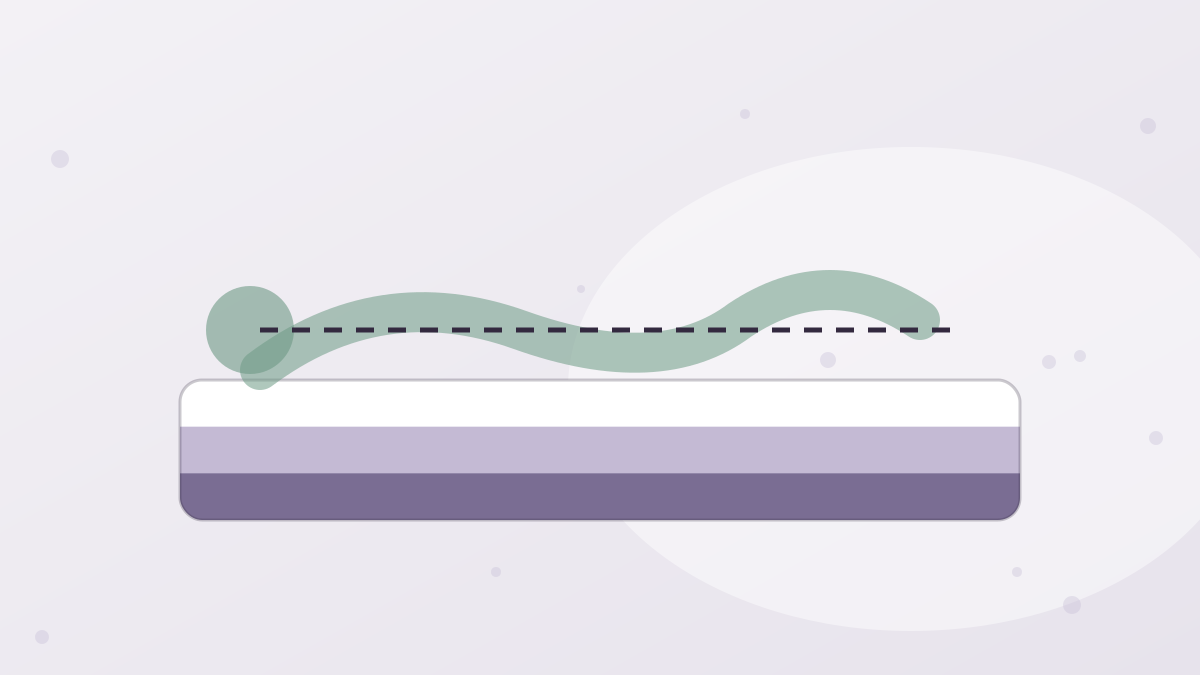
Hot Sleepers
Latex. Its open-cell structure and resistance to heat keep you cooler.
Combination Sleepers
Latex. Its quick response makes changing positions effortless.
Side Sleepers With Sharp Pressure Points
Memory foam, or a softer latex. Deep contouring cushions shoulders and hips.
Back and Stomach Sleepers
Latex usually. Its supportive lift helps keep the hips level.
Couples Sensitive to Movement
Memory foam, or an all-latex bed if you want latex.
Eco-Minded Shoppers
Natural or organic latex. It's plant-based and available with organic certifications.
Budget Shoppers
Memory foam usually costs less, though value latex hybrids narrow the gap.
What About Latex and Memory Foam Hybrids?
Most mattresses today are hybrids, with coils underneath and foam or latex on top. A latex hybrid puts latex over coils for extra bounce and airflow. A memory foam hybrid puts memory foam over coils, adding some bounce and airflow to memory foam's hug.
If you like latex's feel but want coil support and better edges, a latex hybrid is a good middle ground. Our latex hybrid explainer covers how they work, and our latex hybrid vs all-latex guide helps you pick between latex designs.
Thinking About Switching to Latex?
If you're moving from memory foam to latex, expect a firmer, livelier feel at first. Give yourself a few weeks to adjust. Many brands, including Eco Terra, ask buyers to sleep on a new mattress for at least 30 nights before deciding.
If you want to try latex at a mid-range price, the Eco Terra Hybrid Latex pairs 3 inches of certified organic latex with wrapped coils, organic wool and an organic cotton cover. Its Medium option is the gentler choice for people coming from memory foam. Our Eco Terra review covers who it suits.
Curious how organic latex feels? The Eco Terra Hybrid Latex is one of the more affordable ways to try it, with a 90-night trial when you buy direct.
Latex vs Memory Foam FAQ
Is latex better than memory foam?
It depends on what you need. Latex is cooler, more durable and more responsive. Memory foam gives deeper pressure relief and better motion isolation, and it usually costs less.
Is latex firmer than memory foam?
Latex often feels firmer because you don't sink as deeply, even at a similar firmness rating. Softer latex options exist for people who want more cushioning.
Which is better for back pain?
Many back sleepers prefer latex's supportive lift, while some side sleepers with joint pain prefer memory foam's contouring. Anyone with ongoing pain should ask a medical professional about support needs.
Does latex last longer than memory foam?
Generally yes. Natural latex resists breaking down and holding body impressions longer than most memory foams.
Which sleeps cooler?
Latex usually does, thanks to its open-cell structure and the fact that it doesn't soften with body heat.
Choose the Feel That Matches How You Sleep
If you want to sink in and stay put, memory foam is a comfortable, often cheaper choice. If you want to stay cool, move freely and invest in a longer-lasting natural material, latex is worth the extra cost. For many hot sleepers and combination sleepers, a latex hybrid hits the sweet spot.
Ready to try latex? Check the current price of the Eco Terra Hybrid Latex on the official site.