The Short Answer
A latex mattress is a mattress that uses latex foam as its main comfort or support material. Natural latex is made from the milky sap of rubber trees, which is whipped into a foam and cured into solid, springy layers. Synthetic latex is made from petroleum-based chemicals to imitate that feel.
Latex mattresses come in two main designs. All-latex beds use only latex layers. Latex hybrids put a latex comfort layer over steel coils. Both feel responsive and buoyant, sleep cooler than memory foam and tend to last a long time.
What Latex Is Made From

Natural latex starts as sap from the Hevea brasiliensis rubber tree. Workers make a thin cut in the bark, and the white sap drips into a collection cup, much like tapping a maple tree for syrup. The tree keeps producing sap for years, so the material is renewable.
The sap is then whipped with air, poured into molds and heated until it sets into foam. Small pinholes are usually added to help air flow through the finished layer. The result is a dense, elastic foam that compresses under pressure and springs back as soon as the pressure lifts.
Synthetic latex skips the rubber tree. It's made from styrene-butadiene rubber, a petroleum-derived material, and costs less to produce. Many affordable "latex" mattresses use blended latex, a mix of natural and synthetic. Our natural vs synthetic latex guide explains how to tell them apart.
The Two Ways Latex Is Made: Dunlop and Talalay
Natural latex foam is made with one of two processes.
Dunlop is the older, simpler method. The whipped latex is poured into a mold and baked. Some sediment settles toward the bottom, so Dunlop is a little denser at the base. It feels firmer and more grounded.
Talalay adds extra steps. After pouring, the mold is vacuum-sealed so the latex expands evenly, then flash-frozen before baking. Talalay feels lighter, more consistent and slightly softer.
Both make durable, supportive latex. Firmness rating and layer thickness affect how a mattress feels more than the process does. Our Dunlop vs Talalay guide compares them in detail.
The Main Types of Latex Mattress
Table: Types of Latex Mattresses | Type | What's Inside | Feel | Typical Queen Price | |---|---|---|---| | All-latex | Two or three latex layers in a cotton and wool cover | Dense, buoyant, quiet | Often $1,500–$3,000+ | | Latex hybrid | Latex comfort layer over pocketed coils | Springy, airy, firm edges | Often $1,000–$2,700 | | Latex over foam | Thin latex on top of polyurethane foam | Varies; less latex | Often under $1,000 |
All-latex mattresses contain the most latex and tend to last the longest. They isolate motion well but are heavy and pricier.
Latex hybrids are the most popular natural option today. The coils add bounce, airflow and edge support, and the latex layer adds pressure relief. The Eco Terra Hybrid Latex is one example, with a 3-inch organic latex layer over fabric-encased coils. Our latex hybrid guide covers this design.
Latex over foam beds use a thin latex layer for marketing appeal over cheaper foam. They can be comfortable, but they don't offer the durability or natural material profile most latex shoppers want.
What Does a Latex Mattress Feel Like?
Latex feels responsive. When you press into it, it pushes back right away. When you roll over, it springs back into shape almost instantly. Most people describe it as lying on top of the mattress rather than sinking into it.
That's different from memory foam, which softens with body heat and slowly molds around you. On memory foam, you feel hugged. On latex, you feel supported and buoyant, with gentle contouring at pressure points.
Latex also comes in a range of firmness levels. A soft latex comfort layer cushions the shoulders and hips. A medium-firm one keeps you on top of the bed. Eco Terra, for instance, offers its hybrid in Medium (ILD 24–26) and Medium-Firm (ILD 29–31). Our ILD guide explains what those numbers mean.
Benefits of a Latex Mattress
- Durability. Natural latex resists breaking down and holding body impressions, so latex mattresses often outlast foam beds.
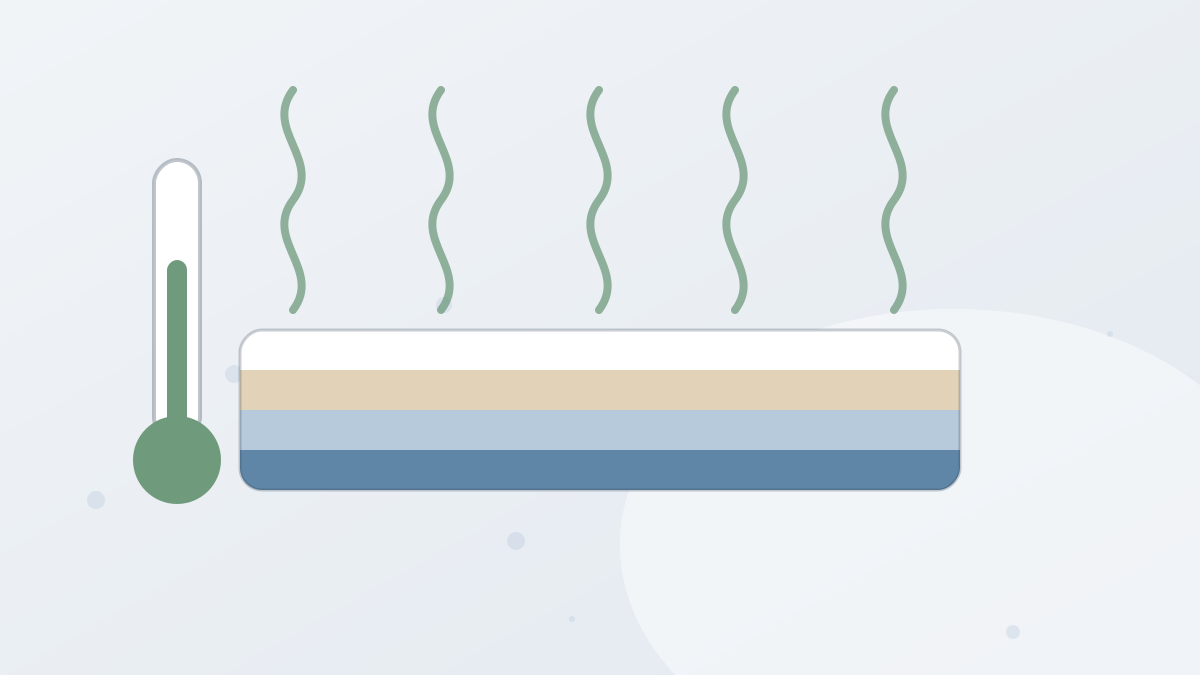
- Cooling. Latex's open-cell structure and pinholes let air move, and it doesn't soften with heat. Hybrids add even more airflow.
- Responsiveness. It's easy to change positions without feeling stuck.
- Pressure relief with support. Latex cushions pressure points while keeping your spine aligned.
- Natural materials. Natural and organic latex avoids the petroleum-based foams many shoppers want to skip.
- Quiet. Latex makes no noise, and wrapped coils in hybrids are quiet too.
Drawbacks to Know About
No mattress suits everyone. Here's what to weigh before choosing latex:
- Price. Natural latex is one of the most expensive mattress materials, so latex beds usually cost more than foam.
- Weight. Latex is dense. A queen latex hybrid like the Eco Terra weighs about 100 pounds, and all-latex queens can weigh more.
- Firm feel. Latex can feel firmer than memory foam at the same rating, which surprises some side sleepers.
- Motion transfer in hybrids. Latex hybrids are bouncier, so light sleepers may notice a partner's movement.
- Latex allergies. People with latex allergies should talk to a doctor before buying a latex mattress.
- Initial smell. Natural latex can have a mild, sweet smell when new that usually fades.
Our latex pros and cons guide goes deeper on each point.
How Long Does a Latex Mattress Last?
Latex is one of the longest-lasting mattress materials. Many quality natural latex mattresses stay supportive well past the 7 to 8 years typical of budget foam beds, and all-latex beds can last longer still. No brand can promise an exact lifespan, though, because body weight, foundation and care all play a part.
Warranties give a useful signal. Many latex beds carry warranties of 15 years or more. Eco Terra's hybrid, for example, has a 15-year non-prorated warranty. Our latex lifespan guide explains what affects longevity.
How Much Does a Latex Mattress Cost?
Prices depend mostly on how much natural latex the mattress contains and whether it's certified organic. Simple all-latex beds from budget brands can cost under $1,000 in a queen, while premium organic all-latex beds often exceed $2,000.
Latex hybrids usually fall in between. The Eco Terra queen costs $1,014 in Medium in November 2026, which is below average for an organic latex hybrid. Our latex mattress cost guide breaks prices down by type.
Latex vs Other Mattress Types
It helps to see latex next to the other common mattress types, because most shoppers are choosing between two or three of them.
Table: Latex Compared With Other Mattress Types | Type | Feel | Cooling | Durability | Typical Queen Price | |---|---|---|---|---| | Latex (all-latex or hybrid) | Responsive, buoyant | Good to very good | High | $1,000–$3,000 | | Memory foam | Slow, deep contouring | Fair | Moderate | $500–$2,000 | | Innerspring | Bouncy, firm surface | Good | Low to moderate | $400–$1,500 | | Foam hybrid | Contouring plus bounce | Good | Moderate | $1,000–$2,500 |
Memory foam is the most common alternative. It contours more deeply and isolates motion well, but it tends to sleep warmer and wear out sooner. Our latex vs memory foam guide compares the two in detail.
Traditional innersprings share latex's bounce but offer less pressure relief and often sag sooner. Our latex vs innerspring guide explains the differences.
Foam hybrids pair coils with memory foam or polyfoam. They feel more enveloping than latex hybrids and usually cost about the same, but they don't offer latex's natural material profile.
What to Look for When Shopping
If you've decided latex is right for you, a few details separate a good latex mattress from a disappointing one:
- Latex type. Natural or certified organic latex, not blended or synthetic, if durability and natural materials matter to you.
- Latex thickness. In a hybrid, 2 to 4 inches is typical. More latex means more cushioning and more of the latex feel.
- Firmness options. Brands that offer more than one firmness, or publish ILD numbers, make it easier to match your sleep position.
- Certifications. GOLS for latex, GOTS for cotton and wool, and an emissions certification such as eco-INSTITUT or GREENGUARD Gold.
- Fire barrier. Wool is the common natural choice. Check that the bed doesn't rely on fiberglass if that concerns you.
- Trial and warranty. Latex feels different from foam, so a trial of at least 90 nights and a long warranty are valuable.
Our latex mattress certifications guide explains what each label proves.
Who Should Choose a Latex Mattress?
Table: Is Latex Right for You? | You... | Latex Fit | |---|---| | Sleep hot | Strong, especially hybrids | | Want a mattress that lasts | Strong | | Prefer natural or organic materials | Strong | | Change positions often | Strong | | Love a deep, slow-sinking hug | Weak; consider memory foam | | Have a latex allergy | Talk to a doctor first | | Need the lowest possible price | Weak; latex costs more |
If several "strong" rows describe you, latex is worth a close look. Our how to choose a latex mattress guide walks through firmness, design and budget step by step.
Curious what an organic latex hybrid costs? Check today's Eco Terra price on the official site.
Caring for a Latex Mattress
Latex needs little maintenance, but a few habits help it last:
- Use a supportive base. A platform, close-slatted foundation or compatible adjustable base. Avoid sagging box springs.
- Use a breathable protector. It keeps sweat and spills out of the latex and wool.
- Rotate occasionally. Turning it head to foot every few months, especially in the first year, helps it wear evenly.
- Keep it out of direct sunlight. UV light can degrade exposed latex over time.
- Spot-clean gently. Use a damp cloth and mild soap, never soak the mattress, and let it air-dry fully.
Our latex mattress cleaning guide covers stains and odors in more detail.
What Is a Latex Mattress FAQ
Is a latex mattress the same as a rubber mattress?
In a sense, yes. Natural latex is a form of natural rubber, whipped into foam. It feels nothing like a solid rubber surface, though. It's soft, springy and breathable.
Are latex mattresses good for your back?
Many people like latex because it supports evenly and resists sagging. A mattress isn't a treatment, so talk to a professional about ongoing back pain.
Do latex mattresses have springs?
All-latex mattresses don't. Latex hybrids put a latex layer over pocketed coils.
Is latex better than memory foam?
It depends on what you like. Latex is cooler, bouncier and more durable; memory foam contours more deeply. Our latex vs memory foam guide compares them.
Can you flip a latex mattress?
Some all-latex beds are flippable. Most latex hybrids, including the Eco Terra, are single-sided, though rotating head to foot is fine.